大航海時代香料與飲食的歷史味蕾與文化記憶
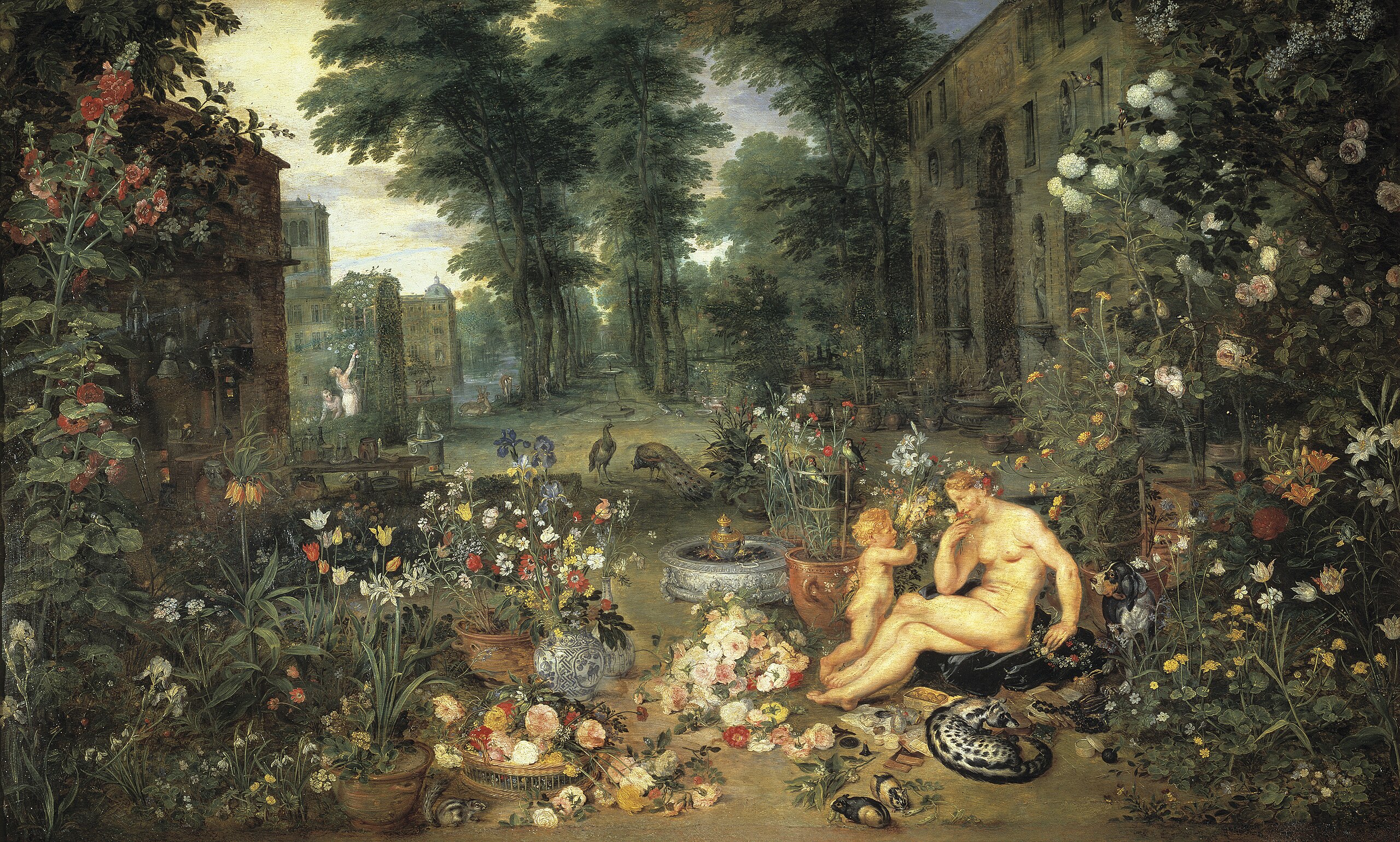

(1617-1618) By Jan Brueghel The Elder And Peter Paul Rubens
Program 節目

《佛利亞 La Folia》 古樂工作坊
“La Folia” Workshop
日期時間:5/3(日)
講師團隊:邱聖芳(木笛演奏家/前維也納市立音樂院木笛主修專任講師)
大下詩央(微光古樂集音樂總監)
地點:微光孔雀閣 (臺北市中山區松江路226巷24號2樓)
內容:
「佛利亞(La Folia)」是歐洲音樂史中最有名、最古老、也最具象徵性的頑固低音之一,其名稱意涵「瘋狂」、「狂歡」或「熱舞的傻氣」。它起源於十五世紀的伊比利半島,最初是一種節奏強烈、舞姿奔放的民間舞曲,帶有原始而直接的身體能量。
隨著時間推移,佛利亞逐漸進入宮廷與藝術音樂的語境,其高度可辨識的低音進行與和聲骨架,成為作曲家、演奏者進行即興創作的重要基礎。
10:30-12:30 佛利亞歷史演變講座
14:00-17:00 佛利亞即興工作坊
從文藝復興到巴洛克時期,佛利亞不斷被重新詮釋:它既可以是狂熱的舞曲,也可以化為高度精緻、結構嚴謹的變奏作品。
正因其「反覆而穩定」的低音特性,佛利亞成為理解古樂即興思維的絕佳入口,
在不變的框架中,如何透過旋律、節奏與裝飾創造自由,正是古樂演奏實踐的核心。
本活動由微光古樂集主辦,為《微光國際古樂節:西班牙400》系列節目之一,將以「講座工作坊」的形式,帶領聽眾與參與者探索佛利亞在 1490 至 1700 年間的歷史演變。由前維也納市立音樂院木笛主修專任講師的木笛家-邱聖芳與微光總監-大下詩央領銜,現場示範佛利亞頑固低音的不同變化形態,並訓練學員嘗試佛利亞五曲在不同時期、不同風格中的演奏與即興。
工作坊也鼓勵具備樂器演奏基礎的音樂愛好者攜帶樂器參與實作,透過實際演奏與即興練習,參與者將親身體驗文藝復興與巴洛克時期的即興思維,理解音樂如何在規範中生成自由,並在反覆的「頑固低音」之上,開展無限創意的即興可能。
About the Program
“La Folia" is one of the oldest and most iconic ground bass patterns in European music history. Originating in the fifteenth-century Iberian Peninsula, it began as an energetic folk dance associated with frenzy and celebration. Over time, its distinctive bass line and harmonic structure entered courtly and art music, becoming a key foundation for variation and improvisation from the Renaissance to the Baroque.
This lecture-workshop, part of the Gleam International Early Music Festival: Spain 400, explores the transformation of La Folia between 1490 and 1700. Through historical context and hands-on practice, participants will discover how early musicians created freedom and expression within a fixed musical framework.
Led by recorder player Chiu Sheng-Fang and The Gleam Ensemble’s music director Shio Ohshita, the workshop includes live demonstrations and guided improvisation. Instrumentalists are welcome to bring their instruments and experience how a repeating bass can generate endless creative possibilities.
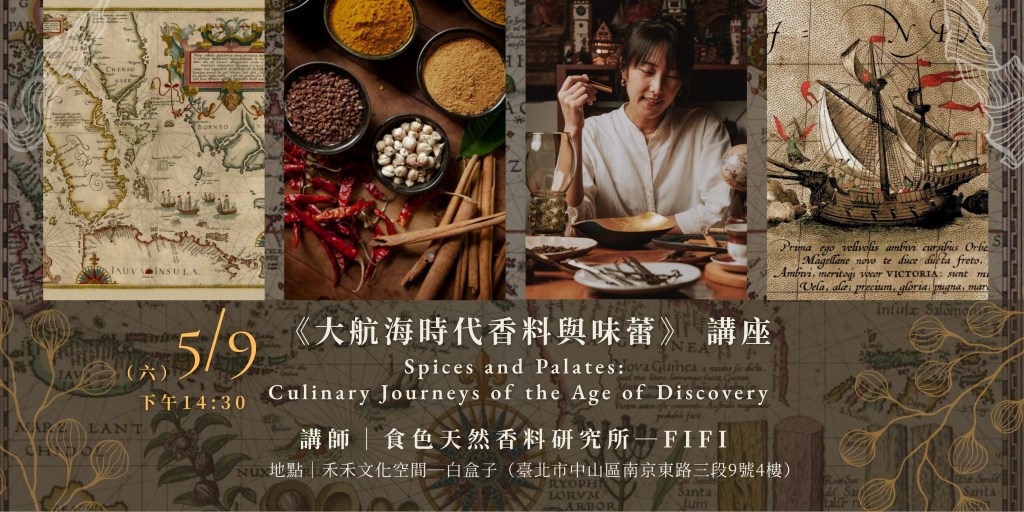
《大航海時代香料與味蕾》. 食色天然香料研究所講座
Spices and Palates: Culinary Journeys of the Age of Discovery
講者:食色天然香料研究所(Shise)
日期時間:5/9(六)14:30
地點:禾禾文化空間─白盒子(臺北市中山區南京東路三段9號4樓)
內容:
五月古樂節開始進入嗅覺/味覺的大航海時代五感系列
《大航海時代香料與味蕾》 講座,正是從人本的「吃」出發,重新理解這段世界史。
在大航海時代,香料不只是味道的來源,更是財富、權力與知識的象徵。歐洲對香料的渴望,驅動了橫跨地中海、大西洋與太平洋的航行,也讓飲食成為全球交流最直接、也最日常的結果之一。
本場講座由食色(Shise)主講,將帶領觀眾循著香料的流動路徑,進入西班牙飲食文化的形成過程。首先,講座將回到中世紀後期,探討穆斯林摩爾人對西班牙農業與飲食的深遠影響:橄欖、米飯、糖、杏仁,以及番紅花、孜然等香料,如何奠定伊比利飲食中層次豐富、香氣濃郁的基礎,並以一至兩道受摩爾文化影響的西班牙料理作為說明。
接著,講座將進入「大航海時代」的關鍵轉折,哥倫布的迷航,意外將番茄、馬鈴薯與辣椒帶回歐洲,徹底改寫西班牙與歐洲料理的樣貌。從番茄出現前後版本的冷湯 gazpacho,到馬鈴薯烘蛋、炸辣椒 Padron,以及以新世界辣椒培育、加工而成的西班牙紅椒粉,講座將說明「新食材如何成為國民風味」。
講座亦將介紹香料貿易中另一條重要支線:胡椒與眾香子(allspice),以及麥哲倫與香料群島的歷史糾葛。最後,將以阿茲特克的香料巧克力飲品作結,對比原本辛辣、苦澀的可可飲,如何在西班牙加入糖與香料後,轉化為今日熟悉的甜味巧克力文化。
About the Program
In May, the festival enters its Five Senses Series through smell and taste, exploring the Age of Maritime Exploration from the most human perspective: food.
In the Age of Exploration, spices were far more than flavor, they were symbols of wealth, power, and knowledge. Europe’s desire for spices drove global voyages across the Mediterranean, Atlantic, and Pacific, making cuisine one of the most immediate outcomes of early globalization.
Led by Shise, this lecture traces the movement of spices and the formation of Spanish food culture. Beginning with the medieval Moorish influence—olive oil, rice, sugar, almonds, saffron, and cumin, the talk then turns to the dramatic impact of the New World, as ingredients such as tomatoes, potatoes, and chili peppers transformed Spanish and European cooking.
From gazpacho and paprika to chocolate’s journey from an Aztec spiced drink to a sweet European delicacy, this lecture reveals how global exploration reshaped taste. and how history can be understood through the senses.
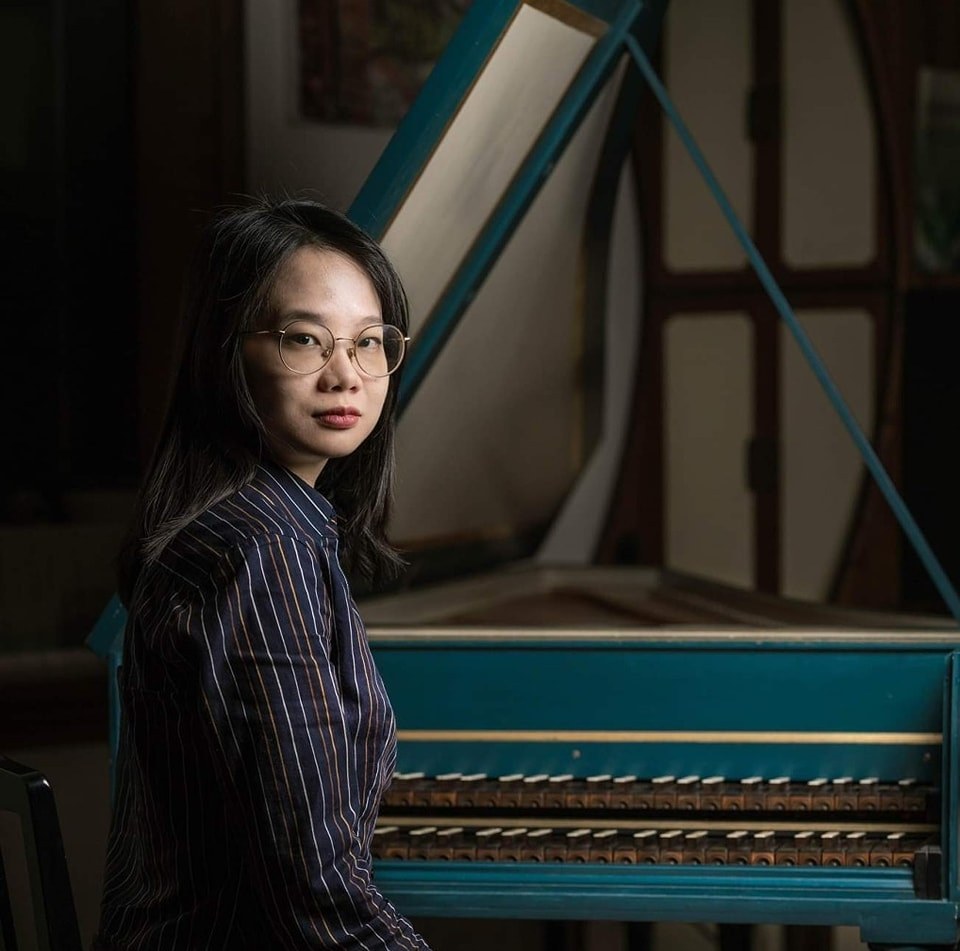
《史卡拉蒂的西班牙風景》 阮秀慈大鍵琴獨奏會
Spain 1700. Scarlatti Sonatas
演奏者:阮秀慈(旅法大鍵琴演奏家、巴黎高等音樂院大鍵琴最高文憑)
日期時間:5/10(日)19:30
地點:臺北國家演奏廳(臺北市中正區中山南路21-1號)
內容:
⼗⼋世紀初的西班⽛,正處於王朝更替與⽂化重組的歷史關鍵點。隨著哈布斯堡王朝讓位給法國波旁王室,西班⽛宮廷在政治、藝術與⾳樂⾵格上迅速轉型,
義⼤利風格⼤量湧⼊,並與本地深厚的宗教傳統與民間⾳樂語彙交織出獨特⾵貌。
而⾺德⾥與塞維亞的街頭仍流傳著佛朗明哥的節奏與安達盧西亞的吟唱,⽽教堂中則迴盪著莊嚴的管⾵琴聲響。
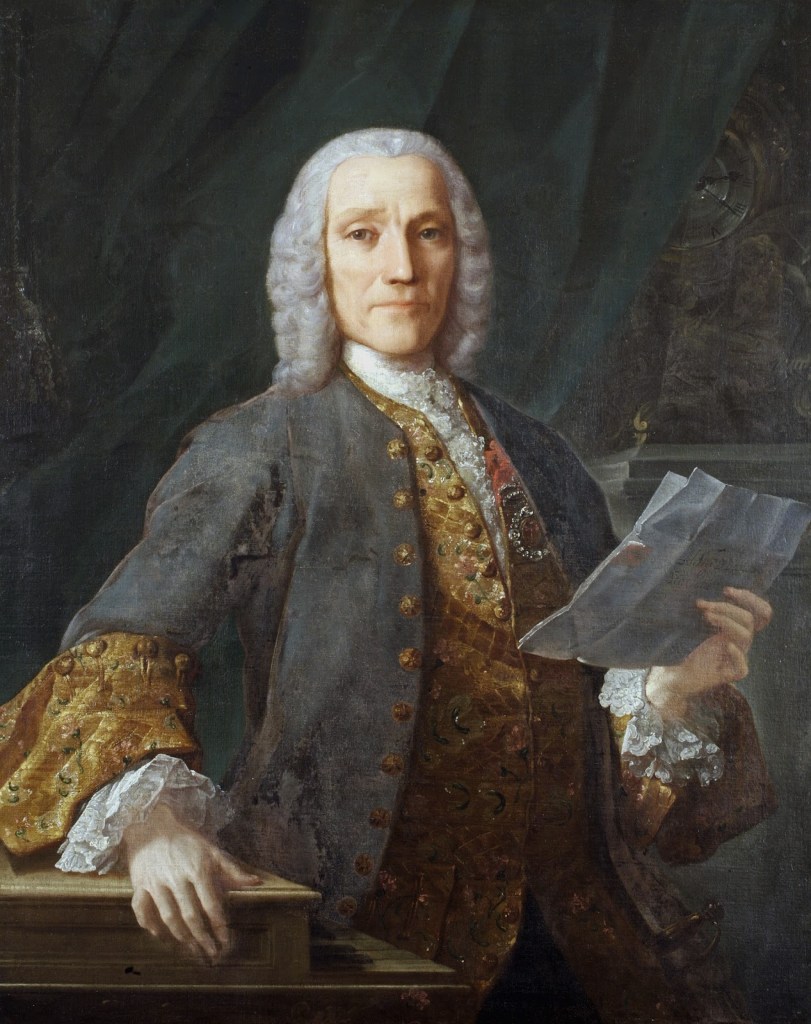
義⼤利作曲家─史卡拉第 (Domenico Scarlatti) 在此背景下受聘於西班⽛宮廷,擔任葡萄⽛公主(後來的西班⽛王后)瑪麗亞·芭芭拉的鍵盤教師。他在伊⽐利亞半島度過後半⽣,創作超過五百⾸⼤鍵琴奏鳴曲,許多作品洋溢西班⽛在地⾵格,融⼊了吉他分解和弦、舞曲節奏與強烈的地⽅⾊彩。
這些作品不僅是歐洲鍵盤⾳樂的⾼峰,更是西班⽛⽂化在鍵盤上的具象展現。
本場⾳樂會即以史卡拉第為軸,延伸⾄其學⽣─索勒( Antonio Soler)與西班⽛巴洛克先驅─卡巴尼耶( Joan Cabanilles),三位作曲家代表了從⼗七世紀晚期⾄⼗⼋世紀中葉,伊⽐利亞半島⾳樂從教會⾛向宮廷、從傳統邁向現代的⾵格轉化。
卡巴尼耶作品中可⾒西班⽛教會⾳樂的輝煌與舞曲節奏的律動,尤其《Xácara》帶有濃厚民間氣息,反映早期巴洛克即興性與節奏感的特⾊;⽽《Corrente Italiana》則是義⼤利舞曲形式與西班⽛精神的融合。索勒⾝為 史卡拉第 的弟⼦,繼承其語彙並進⼀步將節奏與結構推向更成熟的⽅向。
他的奏鳴曲常帶有嚴謹形式與濃厚的西班⽛民族⾊彩,是⼗⼋世紀晚期最具代表性的西班⽛鍵盤⾳樂。
此次⾳樂會精選數⾸ Scarlatti ⾵格各異的奏鳴曲:從節奏鮮明的舞曲型作品如 K.492、K.517,到內省深沉的 K.466 與對位嚴謹的 K.87,描繪出⼀幅橫跨民間與宮廷、激情與冥想的西班牙鍵盤⾳樂風情。
About the Program
In early eighteenth-century Spain, dynastic change and cultural transformation reshaped court life. As the Habsburgs gave way to the French Bourbons, Italian musical styles entered Spain and merged with long-standing religious traditions and vibrant local rhythms. While churches resonated with grand organ music, the streets of Madrid and Seville echoed with Andalusian song and dance.Against this backdrop, Domenico Scarlatti settled in Spain as keyboard tutor to Princess (later Queen) Maria Barbara. Spending much of his life on the Iberian Peninsula, he composed over 500 harpsichord sonatas infused with Spanish character—guitar-like figurations, dance rhythms, and striking local color, forming a cornerstone of European keyboard music.
This concert places Scarlatti at its center, alongside his student Antonio Soler and the earlier Spanish Baroque master Joan Cabanilles. Together, these composers trace the evolution of Iberian music from church to court, and from late seventeenth-century tradition to eighteenth-century modernity.
From Cabanilles’s rhythmically charged sacred works, through Soler’s structurally refined sonatas, to Scarlatti’s vividly contrasted pieces, ranging from dance-driven brilliance to introspective depth, this program reveals the rich, multi-layered sound world of Spanish keyboard music at a moment of profound cultural change.
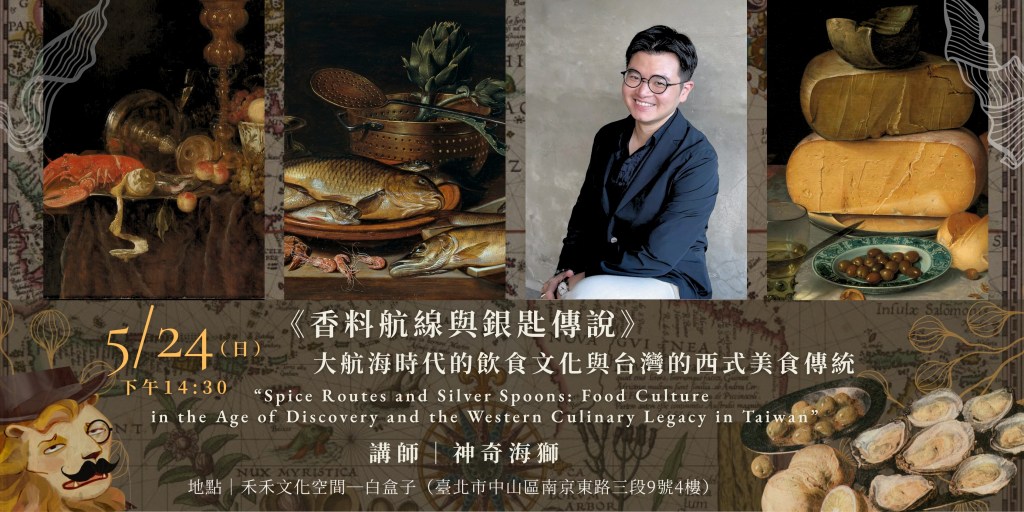
《大航航線與銀匙傳說》 大航海時代的飲食文化與台灣的西式美食傳統. 神奇海獅 講座
“Spice Routes and Silver Spoons: Food Culture in the Age of Discovery and the Western Culinary Legacy in Taiwan”
講者:神奇海獅─李博研(漢堡大學歷史碩士/網路人氣歷史說書人/歐洲領隊)
日期時間:5/24(日)14:30
地點:禾禾文化空間─白盒子(臺北市中山區南京東路三段9號4樓)
內容:
當我們在餐桌上遇見紅酒燉牛肉、焗烤、披薩或罐頭食品時,往往很少意識到,這些「看似日常」的飲食選擇,其實背後牽動著長達數百年的航海史、殖民史與文化誤讀史。
《大航航線與銀匙傳說:大航海時代的飲食文化與台灣的西式美食傳統》正是從這樣的日常經驗出發,重新提問:我們吃的西式料理,究竟從何而來?
本場講座由知名歷史說書人─神奇海獅 主講,他將結合自己在飲食與歷史故事出版上的內容,帶領觀眾穿越大航海時代的香料航線與海權競逐,理解歐洲飲食文化如何隨著殖民、軍事與貿易體系進入亞洲。
講座內容將從香料、麵包、乳製品與酒類的跨洋移動談起,說明這些食物如何被視為「文明象徵」而被引入殖民地;也將討論罐頭技術的出現,如何改變軍隊補給、市井飲食,甚至影響戰後台灣的口味結構。
神奇海獅亦將以輕快幽默的方式,拆解許多我們習以為常卻其實「誤會很大」的飲食想像──例如為何「夏威夷披薩」與夏威夷無關、台灣人熟悉的「焗烤」其實是戰後重組的西式記憶。
透過這場講座,觀眾將理解飲食是一種文化拼貼:殖民、戰爭、技術、階級與想像,共同形塑了我們今日的餐桌風景。當我們再次舉起刀叉,也許能更清楚地意識到,自己的味蕾正參與著一場仍在進行中的歷史。
About the Program
When we sit down to dishes like beef stew, gratin, pizza, or canned food, we rarely realize that these everyday meals are rooted in centuries of maritime exploration, colonial history, and cultural misunderstanding.
“Sea Routes and Silver Spoons: Food Culture of the Age of Exploration and Taiwan’s Western Culinary Traditions” begins from this familiar dining experience and asks a simple question: Where does Western food really come from?
The lecture is presented by popular historical storyteller 神奇海獅 (The Amazing Sea Lion), who draws on his work in food history and storytelling to guide audiences through spice routes, naval power, and colonial trade networks.
From the global movement of spices, bread, dairy, and alcohol to the invention of canned food and its impact on military supply and postwar Taiwanese cuisine, the talk reveals how food became a marker of “civilization.” With humor and sharp insight, the lecture also unpacks common myths, such as why Hawaiian pizza has nothing to do with Hawaii, or how gratin became a postwar reconstruction of Western taste.This lecture invites audiences to see food as a cultural collage shaped by empire, war, technology, and imagination. and to realize that every bite is part of an ongoing historical narrative.
墨西哥古樂合奏團-Mélodie Michel x 韓國Musica ex Machina古樂團
來台系列
Mélodie Michel (Mexico) & Musica ex Machina (Korea)
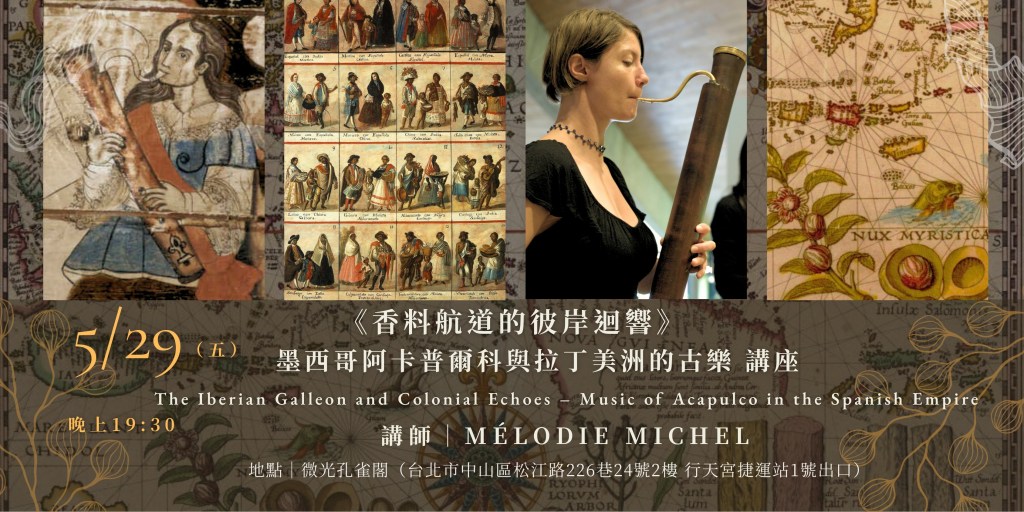
《香料航道的彼岸迴響》 墨西哥阿卡普爾科與拉丁美洲的古樂. Melodie Michel 講座
The Iberian Galleon and Colonial Echoes – Music of Acapulco in the Spanish Empire
講者與指導:美樂蒂.米歇爾 Melodie Michel(法國音樂學者/歷史低音管演奏家/墨西哥古樂團團長)、蔣皓任(微光古樂集團長)
日期時間:5/29(五)19:30
地點:微光孔雀閣 (臺北市中山區松江路226巷24號2樓)
內容:
是什麼造就了今日中南美中和加勒比海的音樂文化和特色?
除了亞洲、西班牙最大的殖民地位於地球另一端的南美洲,而十七世紀的太平洋是西班牙帝國用以連結世界的核心通道。
自 1565 年起運行的「馬尼拉大帆船」(Galeón de Manila),建立起一條連結菲律賓馬尼拉與墨西哥阿卡普爾科的跨洋航線。這條航線不僅輸送香料、絲綢、銀礦與瓷器,也承載了宗教、語言、藝術與音樂,使阿卡普爾科成為西班牙王權、亞洲貿易與新世界文化交會的重要港口。
本場講座由法國音樂學者、歷史低音管演奏家暨墨西哥古樂團團長- Mélodie Michel 主講,聚焦於殖民時期墨西哥-阿卡普爾科(Acapulco)及其所屬的新西班牙音樂文化。
講座將說明西班牙如何在墨西哥建立教會、修道院與城市音樂體系,並將歐洲的宮廷舞曲與彌撒曲引入當地。同時,這些音樂在實踐中如何逐漸吸納當地原住民的節奏型態、語言結構與聲音觀念?形成獨特的殖民音樂。
內容亦將涵蓋巴洛克時期墨西哥城與周邊地區的傳教音樂發展,說明西班牙傳教士如何訓練原住民音樂家,包含合唱、魯特琴、低音管與打擊樂器的演奏,並透過教育體系建立穩定的音樂傳承。講座將引介多份殖民時期手抄本,解析其中常見的語言混用現象—西班牙語、拉丁文與納瓦特語並存,呈現音樂作為跨文化溝通媒介。
在講座最後一部分,Mélodie Michel 將把視角拉回當代,探討二十世紀後期以來的「歐洲古樂復興運動」如何反向影響拉丁美洲。
特別是西班牙古樂研究與演奏風潮,如何啟發墨西哥與南美洲新一代音樂家重返歷史檔案,重新挖掘被忽略的殖民時期樂譜與聲響記憶,並在今日的演出實踐中,為這段跨洋歷史賦予新的聲音生命。
這是一場從伊比利大帆船出發,橫跨太平洋、穿越殖民與當代的音樂歷史之旅。
About the Program
What shaped the musical cultures of Latin America and the Caribbean as we know them today?
Beyond Asia, Spain’s largest colonial territories lay across the Pacific in the Americas. From the 17th century onward, the Pacific Ocean became a central artery of the Spanish Empire, linking Asia, Europe, and the New World. Beginning in 1565, the Manila Galleon trade route connected Manila and Acapulco, transporting not only silver, silk, spices, and porcelain, but also religion, language, art, and music. Acapulco emerged as a key crossroads where Spanish imperial power, Asian trade, and New World cultures converged.
This lecture is presented by French musicologist, historical bassoonist, and director of a Mexican early music ensemble, Mélodie Michel. Focusing on colonial Mexico—particularly Acapulco and the wider territory of New Spain, the lecture explores how Spanish authorities established churches, monasteries, and urban music institutions, introducing European court dances and sacred repertoire into the region.At the same time, these musical forms were gradually transformed in practice. Indigenous rhythms, languages, and sound concepts were absorbed into European frameworks, giving rise to distinctive colonial musical cultures. Drawing on colonial manuscripts, the lecture examines missionary music education, indigenous participation in choirs and instrumental ensembles, and the coexistence of Spanish, Latin, and Nahuatl texts, revealing music as a powerful medium of cross-cultural communication.
In its final section, the lecture turns to the present, tracing how the late-20th-century European early music revival has, in turn, inspired Latin American musicians to rediscover colonial archives and reanimate forgotten repertoires. This is a transoceanic musical journey. from Iberian galleons to contemporary performance, where history, memory, and sound continue to resonate across centuries.
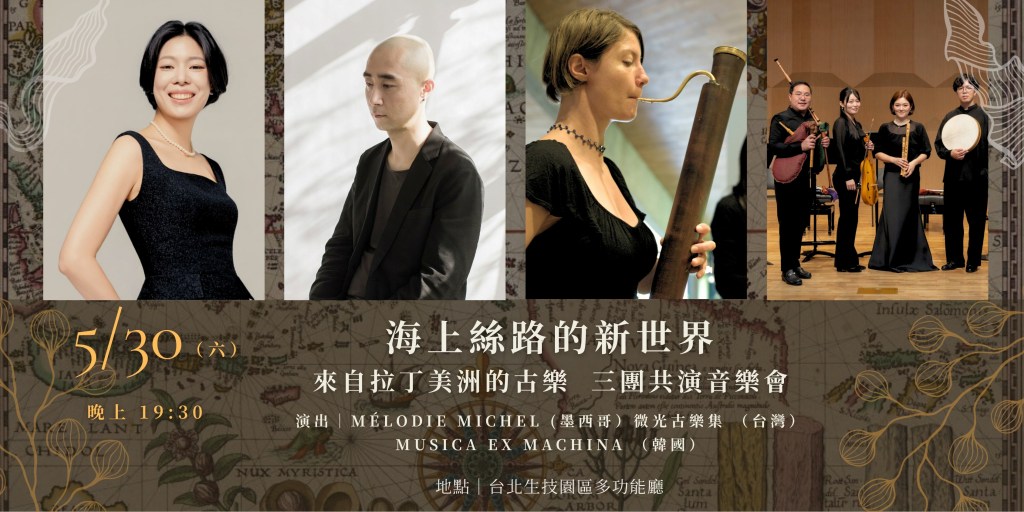
演出者:Melodie Michel(墨西哥) x 微光古樂集(台灣) x Musica ex Machina(韓國)
日期時間: 5/30(日)19:30
地點:南港台北生技園區(臺北市南港區忠孝東路七段508號2樓)
內容:
五月嗅覺/味覺的焦點演出為本場音樂會聚焦十六至十七世紀「新西班牙」(殖民墨西哥)的「新世界」古樂,透過修道院、鄉村傳教站與大教堂之間截然不同、卻彼此連結的聲音脈絡,呈現天主教音樂在美洲如何成為信仰實踐、文化調適與跨文明交流的重要媒介。
演出將呈現兩條相互對照的音樂軸線:一方面,是流傳於修道院與偏遠地區的傳教音樂,這些作品多以簡明的多聲部或假低音(falso bordone)形式創作,便於教學與集體吟唱,展現天主教音樂如何在地方社群中與既有文化融合。
來自瓜地馬拉 Huehuetenango、Santa Eulalia 的手稿,以及今日加州 Santa Barbara 地區保存的三聲部聖歌,呈現出一種貼近生活、以聲音建立信仰共同體的宗教實踐。此外,來自瓦哈卡的《Juan Matías 彌撒》選段,以及米卻肯州流傳至今的 alabados 聖歌,也讓我們聽見前西班牙時代宗教與音樂記憶,如何在天主教框架中持續回響。
另一方面,音樂會也將進入殖民城市的大教堂空間,呈現更為華麗、制度化的聖樂傳統。包括殖民時期重要作曲家 Hernando Franco 的《安魂彌撒》選段、墨西哥城主教座堂保存的聖詠(canto llano),以及來自瓜地馬拉與普埃布拉大教堂的節慶性 villancicos。
其中,Gaspar Fernández 手稿所保存的作品,尤以納瓦特語(Náhuatl)歌曲與「黑奴歌曲」(villancicos de negro)最具代表性,展現非洲裔、原住民與歐洲音樂語彙在殖民社會中的交織與共存。
本場演出由 Melodie Michel(墨西哥)、微光古樂集(台灣) 與 Musica ex Machina(韓國) 三團共演,帶來文藝復興低音管家族、巴洛克小提琴、木笛、歷史打擊樂與巴洛克吉他的豐富演出,邀請觀眾聆聽早期全球化世界中,信仰、權力與文化如何在聲音之中彼此碰撞、融合與共生。
About the Program
The May focus of the Scent & Taste chapter of the festival centers on a concert devoted to the “New World” music of New Spain (colonial Mexico) from the 16th and 17th centuries. Through contrasting yet interconnected sound worlds, monasteries, rural mission stations, and grand cathedrals. the program reveals how Catholic music in the Americas became a vital medium of faith, cultural adaptation, and cross-civilizational exchange.
The concert unfolds along two complementary musical axes.
The first explores missionary and rural devotional music, preserved in manuscripts from Huehuetenango and Santa Eulalia (Guatemala), as well as three-voice sacred songs from the Santa Barbara region in present-day California. Often written in simple polyphony or falso bordone, these works were designed for teaching and communal singing, showing how Catholic music merged with local traditions. Excerpts from the Mass of Juan Matías (Oaxaca) and the alabados still sung in Michoacán further reveal how pre-Hispanic religious memory continued to resonate within a Christian framework.
The second axis moves into the ceremonial soundscape of colonial cathedrals. The program includes excerpts from Hernando Franco’s Requiem, plainsong (canto llano) from the archives of Mexico City Cathedral, and festive villancicos from Guatemala and Puebla. Particularly striking are works from the Gaspar Fernández Manuscript, including songs in Náhuatl and villancicos de negro, which embody the coexistence of African, Indigenous, and European musical languages in colonial society.
This concert brings together Melodie Michel (Mexico), The Gleam Ensemble (Taiwan), and Musica ex Machina (Korea). Featuring Renaissance dulcians, Baroque violin, recorders, historical percussion, and Baroque guitar, the performance invites audiences to hear how faith, power, and culture collided, intertwined, and coexisted in the soundscape of the early globalized world.
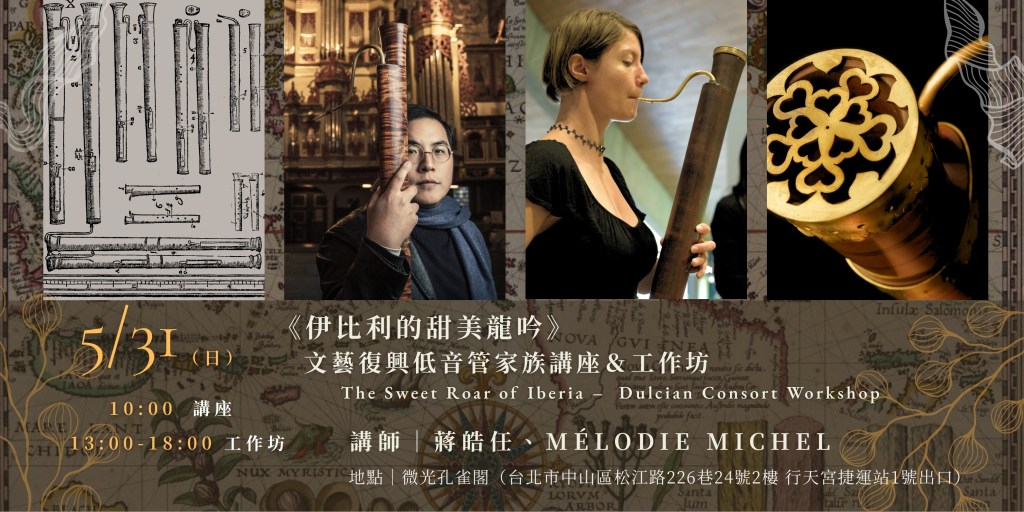
《伊比利的甜美龍吟》 文藝復興低音管家族 講座&工作坊
The Elegant Roar of Iberia – Renaissance Dulcian Consort Workshop
講者與講師:蔣皓任(The Gleam Ensemble 團長)、Melodie Michel(法國歷史低音管演奏家、墨西哥古樂團團長)
日期時間:5/31 (日)
10:00-12:00 講座
13:00-18:00 工作坊 (現場提供文藝復興低音管)
地點:微光孔雀閣(臺北市中山區松江路226巷24號2樓)
內容:
現代低音管的祖先,早在十六世紀便已成形。當時的作曲家不僅將其視為低音支撐的工具,更為這件樂器創作出大量充滿技巧與表現力的奏鳴曲作品。由於結構緊湊、攜帶便利,文藝復興低音管也隨著西班牙的船艦被帶上遠航的航路,成為大航海時代中少數真正「登船遠行」的管樂器之一,並隨之傳播至歐洲以外的世界。
在文藝復興的聲響觀念中,低音並非單純的結構基礎,而是一股推動音樂流動、塑造空間深度的重要力量。文藝復興低音管(Dulcian,又稱「甜蜜管」)以其柔和而集中、富含核心的雙簧音色,活躍於世俗合奏、宗教音樂與戶外儀式之中,成為不可或缺的聲部。
其名稱所指的「甜美」,並非指音色的柔弱,而是一種能在多聲部織體中穩定承托、同時保持高度靈活性的聲音性格—既能深植於和聲之中,也能自在穿行於旋律流線之間。
十六至十七世紀,許多作曲家為低音管創作了高度技巧性的段落與獨立聲部,使其不僅是低音支撐,更是合奏中具表現力的角色。也正因其結構緊湊、攜帶便利,文藝復興低音管在大航海時代隨著西班牙的宗教、軍事與貿易網絡,被帶往歐洲以外的世界。今日在菲律賓馬尼拉、墨西哥、玻利維亞等地的歷史文獻與音樂實踐中,仍可見低音管家族活動的痕跡,成為理解西班牙聲響文化全球流動的重要線索。
本次 《伊比利的甜美龍吟—文藝復興低音管家族工作坊》,由微光古樂集團長、歷史低音管家 蔣皓任 與法國歷史低音管演奏家、墨西哥古樂合奏團團長 Mélodie Michel 共同帶領。
活動將系統介紹十六世紀西班牙低音管家族,從低音到高音的各種音域樂器,並學習文藝復興低音管家族合奏(Dulcian consort)。除了歷史背景與樂器構造的講解,工作坊亦重視實際演奏體驗。參與者將親身操作不同音域的文藝復興低音管,合奏西班牙文藝復興複音音樂曲目。
這是一場結合歷史、聲響與身體感知的工作坊,讓參與者在實際的合奏震動中,重新聆聽並體驗西班牙帝國時代那沉著、厚實而仍然流動的低音世界。
About the Program
The ancestor of the modern bassoon took shape as early as the 16th century. Far from serving only as harmonic support, the Renaissance bassoon—known as the dulcian, was a flexible, expressive instrument for which composers wrote highly virtuosic lines. Compact and portable, it traveled aboard Spanish ships during the Age of Exploration, becoming one of the few wind instruments to truly “sail” with global expeditions.
With its focused yet warm double-reed sound, the dulcian played a vital role in secular ensembles, sacred music, and outdoor ceremonies. Its so-called “sweetness” refers not to softness, but to a sound capable of grounding polyphony while moving freely within it.
The workshop “The Sweet Iberian Dragon: The Renaissance Dulcian Family” is led by Martin Chiang and Mélodie Michel, introducing the full range of the 16th-century Spanish dulcian family and exploring Renaissance consort repertoire through hands-on ensemble playing.
Capella de Ministrers, Carles Magraner
 微光古樂集
微光古樂集 
你必須登入才能發表留言。