

(*Click to listen 點選可聆聽欣賞)
在另一種聲音裡,被聽見—微光古樂集與台灣流行影視的跨界合作
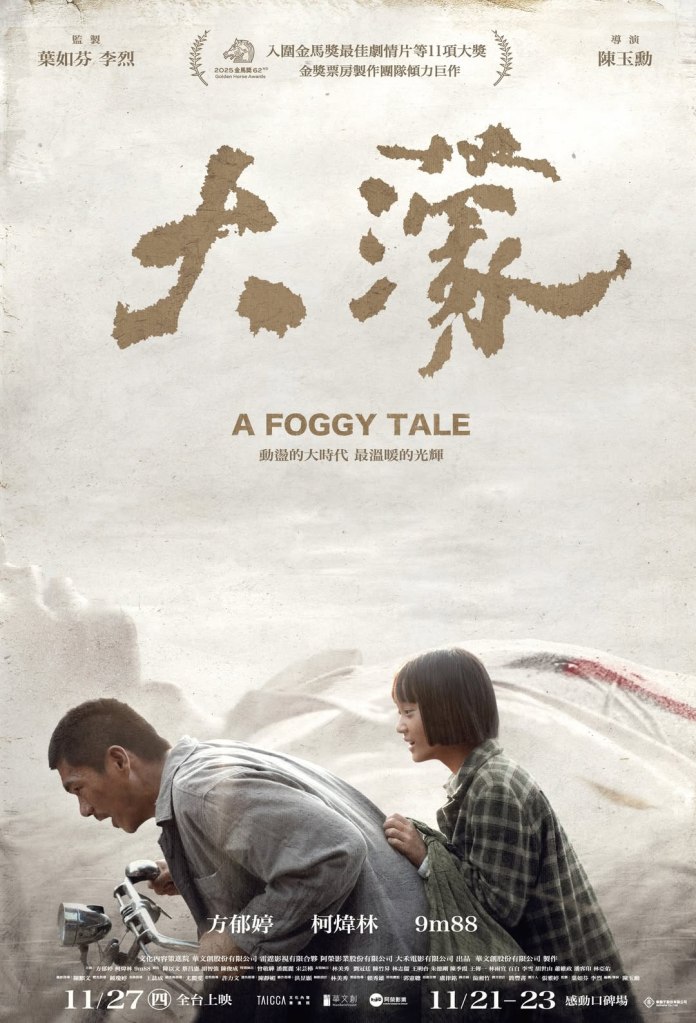
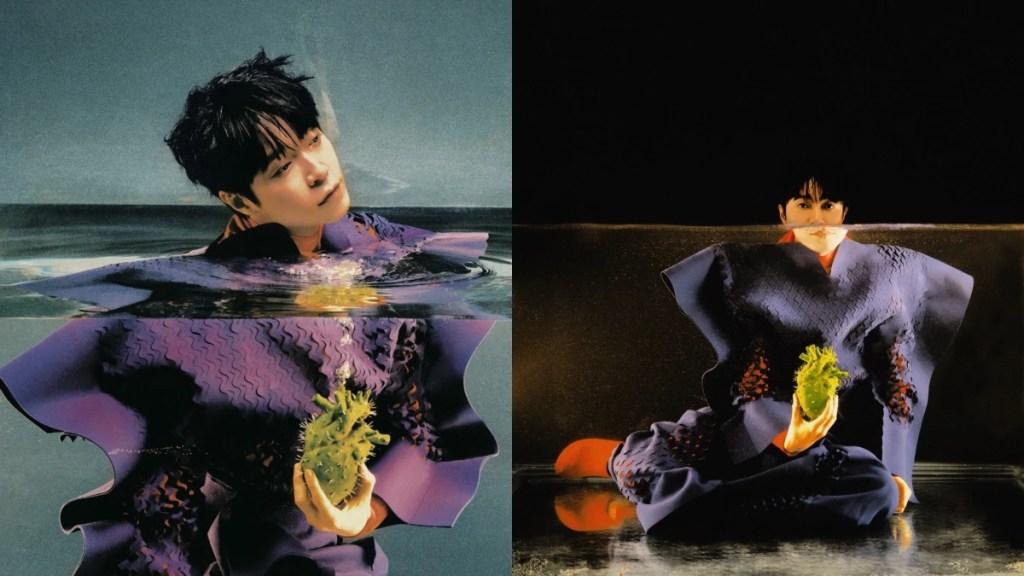
從吳青峰金曲獎專輯- 《馬拉美的星期二》第一首〈小小牧羊人〉,沈可尚導演-《客人主人》的紀錄片配樂,到陳玉勳導演與金馬獎配樂師盧律銘合作的電影-《大濛》,能夠在台灣流行音樂與影視作品中發聲,對一位長期專注於歐洲古樂的演奏者而言,是一件深深感動、也難以視為理所當然的事。
古樂的世界,長時間存在於另一個時間軸上。它需要緩慢的閱讀、反覆的考證、對語法與風格的耐心理解。
這樣的聲音,往往被視為距離當代生活較遠,甚至被誤認為只屬於特定場域與族群。然而,正是在這些與當代創作的相遇之中,微光古樂集重新感受到:古樂並不是被封存的聲音,更是一種仍然可以在21世紀的今天配合情感與敘事的當代聲音。
在與吳青峰的合作中,文藝復興風笛、木笛、蕭姆管與巴洛克提琴等古樂器的聲響不被當作復古的裝飾,而是一種細緻、脆弱、貼近語言的質地,並不是「加入古樂元素」,而是讓一種來自不同世紀的聲音,自然地進入一張如同牧羊人一般的流行音樂專輯之中。
紀錄片《客人主人》中,由作曲家-趙菁文策劃錄製,古樂的聲音則以另一種方式存在。微光中世紀合奏團用古老的聲響為客家族群的遷徙配樂。
而在2025年國片大片-《大濛》中,與金馬獎配樂師-盧律銘的合作,讓歷史風笛進入更複雜的聲響結構與敘事層次。古樂不再只是歷史的象徵,而成為白色恐怖背景中情緒的催化劑。
對微光古樂集而言,我們始終相信,當古樂被以尊重其語法與精神的方式對待,它並不需要被翻譯成流行,也不必迎合時代;它本身就擁有進入當代的能力。
也正因如此,微光持續地與台灣的流行音樂人、導演與創作者合作,希望在不同創作語境中,為古樂找到新的聆聽位置。

Being Heard Through Another Voice
The Gleam Ensemble and Its Cross-Disciplinary Collaborations with Taiwanese Popular Music and Film
From “The Little Shepherd”, the opening track of Qing Feng Wu’s Golden Melody Award–winning album Mallarmé’s Tuesday, to the documentary Guests and Hosts directed by Shen Ke-Shang, and further to the feature film The Fogdirected by Chen Yu-Hsun with music by Golden Horse Award–winning composer Lu Lu-Ming—having the opportunity to contribute sound to Taiwanese popular music and cinema is, for a performer long devoted to European early music, a deeply moving experience, and one that can never be taken for granted.
The world of early music has long existed on a different timeline. It demands slow reading, repeated research, and patient engagement with historical syntax and stylistic language. Such sounds are often perceived as distant from contemporary life, or mistakenly regarded as belonging only to specific venues or audiences. Yet it is precisely through encounters with contemporary creators that The Gleam Ensemble has come to reaffirm something essential: early music is not a sound preserved in a museum, but a living language—one that can still resonate with emotion and narrative in the twenty-first century.
In the collaboration with Qing Feng Wu, the sounds of Renaissance bagpipes, recorders, shawms, and Baroque strings were not treated as nostalgic ornaments. Instead, they functioned as fragile, intimate, and language-adjacent textures. This was not a matter of “adding early music elements,” but rather allowing a voice from another century to breathe naturally within a contemporary pop album—one that evokes the sensibility of a shepherd, both gentle and inward-looking.
In the documentary Guests and Hosts, conceived and recorded under the musical direction of composer Ching-Wen Chao, early music took on yet another role. Performed by The Gleam Ensemble’s medieval consort, these ancient sounds accompanied the migration histories of the Hakka people, becoming a sonic layer that moves alongside image, memory, and time.
In the 2025 feature film The Fog, a major Taiwanese cinematic production, collaboration with composer Lu Lu-Ming placed historical bagpipes within a far more complex sonic architecture and narrative framework. Here, early music was no longer a symbol of the past, but a catalyst for emotion—intensifying the psychological atmosphere set against the backdrop of Taiwan’s White Terror period.
For The Gleam Ensemble, the conviction has always been clear: when early music is approached with respect for its syntax and spirit, it does not need to be translated into popular language, nor does it need to conform to contemporary trends. It already possesses the ability to speak to the present.
It is for this reason that The Gleam Ensemble continues to engage in cross-disciplinary collaborations with Taiwanese musicians, filmmakers, and creators. Not to blur boundaries, but to locate new modes of listening—allowing sounds from different centuries to encounter one another within contemporary cultural life.
 微光古樂集
微光古樂集 
你必須登入才能發表留言。