
微光中世紀合奏團
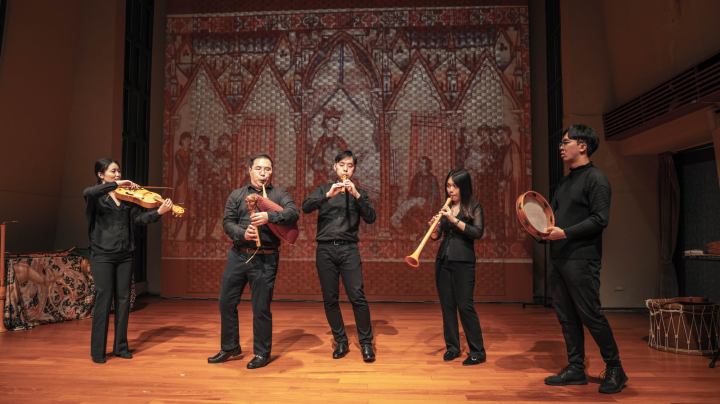
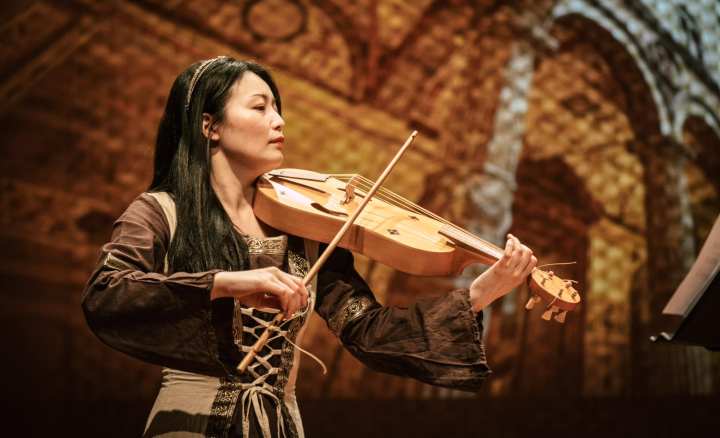
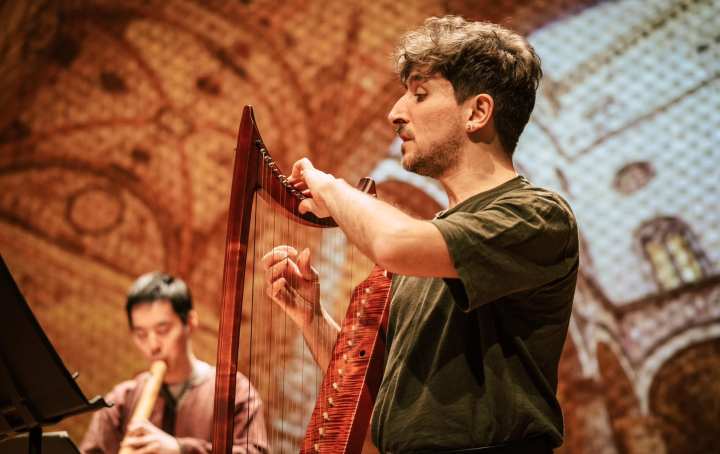
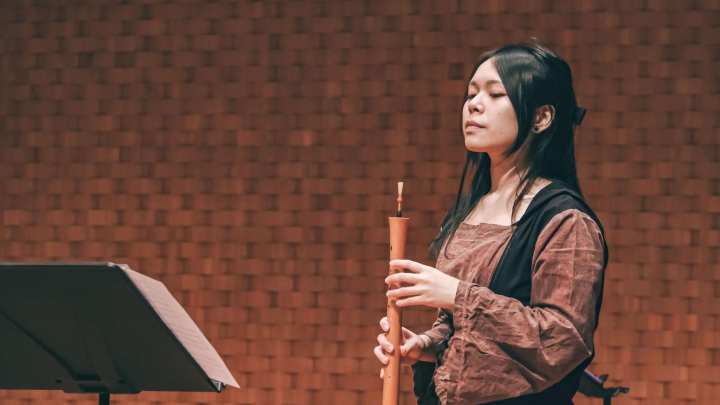
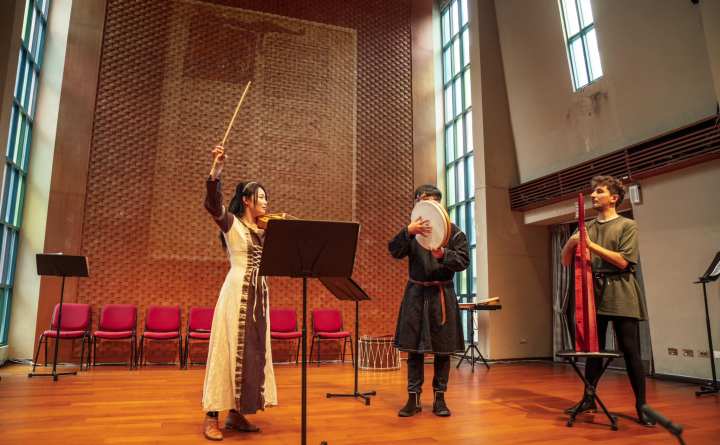
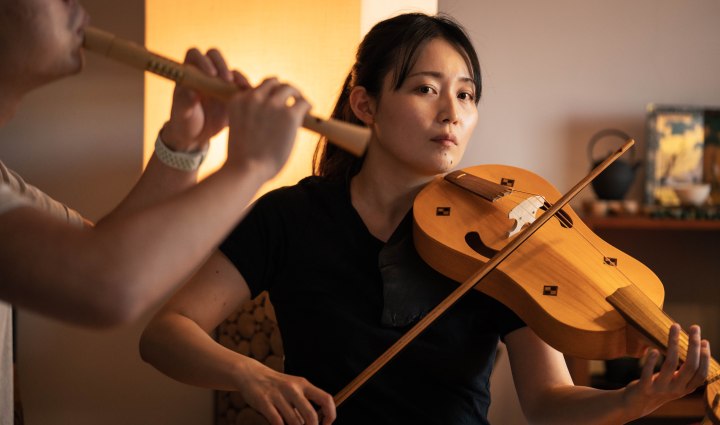
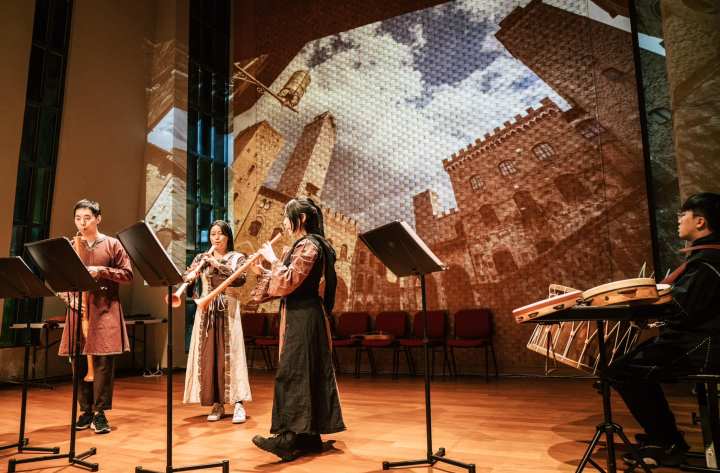
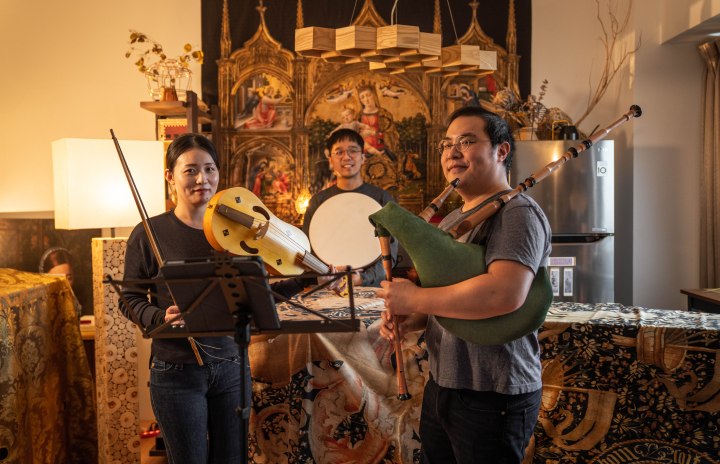
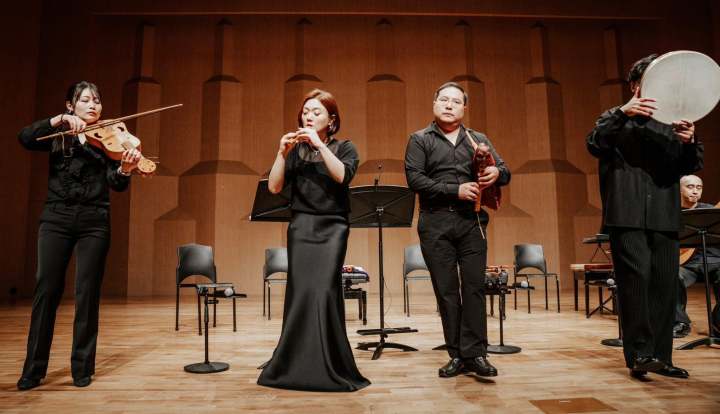
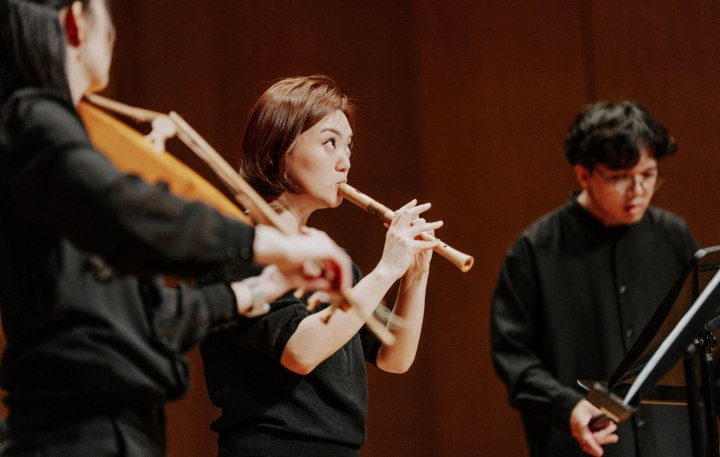
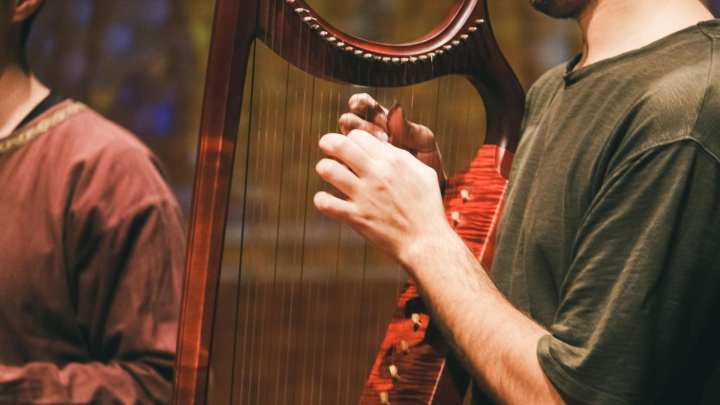
微光中世紀樂團承襲瑞士巴塞爾古樂學院的研究傳統,以手抄古譜為核心,專注重建西元一二〇〇至一四〇〇年間的歐洲聲響世界。團隊以中世紀五弦提琴、蕭姆管、木笛與各類手鼓為主要樂器,循著文獻、記譜與當代音樂學家的研究脈絡,讓長久以來停留在紙本文獻中的旋律重新回到21世紀。
無論是源自宗教儀式的聖歌與複音作品,或是吟遊詩人、宮廷樂師傳唱的世俗歌謠,樂團始終以歷史語法為依歸,使中世紀音樂在今日得以恢復其豐富的質地與情感。
在亞洲,能以「中世紀合奏團」為編制核心、並以手抄古譜為實際演出依據的團隊極為罕見。除日本少數樂團之外,微光中世紀樂團幾乎是亞洲第二個以此形式長期運作、並且持續投入研究與創作的團體。這樣的定位,使微光在亞洲古樂版圖中佔據獨特地位,也讓臺灣得以在早期音樂的發展中與國際保持並行。
樂團成立至今,已呈現多場以文獻為基礎的主題式節目,從以13世紀《Cantigas de Santa Maria》為主軸的卡斯提亞-阿封索十世古樂,到14世紀法國國王手抄本等吟遊詩人曲目,將歷史、信仰、儀式、敘事與詩意重新帶入當代的聆聽經驗。
微光中世紀樂團的存在,使臺灣第一次擁有真正意義上的中世紀音樂合奏傳統。透過器樂、語法、空間與文本的整合,團隊努力讓被遺忘的歷史聲音重新被聽見,也讓「中世紀」不再只是課本與圖像中的名詞,而是可以在今日以新的方式被理解、被體驗、被想像的活化石。
The Gleam Medieval Ensemble
Centered on the study of handwritten medieval manuscripts, the ensemble is dedicated to reconstructing the sound world of Europe between 1200 and 1400. Performing on Medieval five-string fiddles, shawms, recorders, frame drums and other period instruments, the musicians follow the paths traced by historical notation, treatises, and contemporary scholarship, bringing melodies long confined to parchment back into the sonic reality of the twenty-first century.
Within Asia, ensembles that operate as true medieval consorts—and that base their performances directly on manuscript sources—are exceptionally rare. Beyond a small number of groups in Japan, The Gleam Medieval Ensemble is effectively the second long-term medieval ensemble of its kind in Asia, maintaining sustained research, performance, and artistic development. This unique position grants the ensemble a distinctive role in the Asian Early Music landscape and places Taiwan in close dialogue with international medieval performance practice.
13世紀阿豐索十世的古樂. 聖母瑪利亞頌歌集《在所有的美德之上》
佩沙羅:《舞蹈的藝術》
 微光古樂集
微光古樂集 