English Below
Scroll down for the full festival program and ticket information
音樂節節目總覽與購票請滑至下方
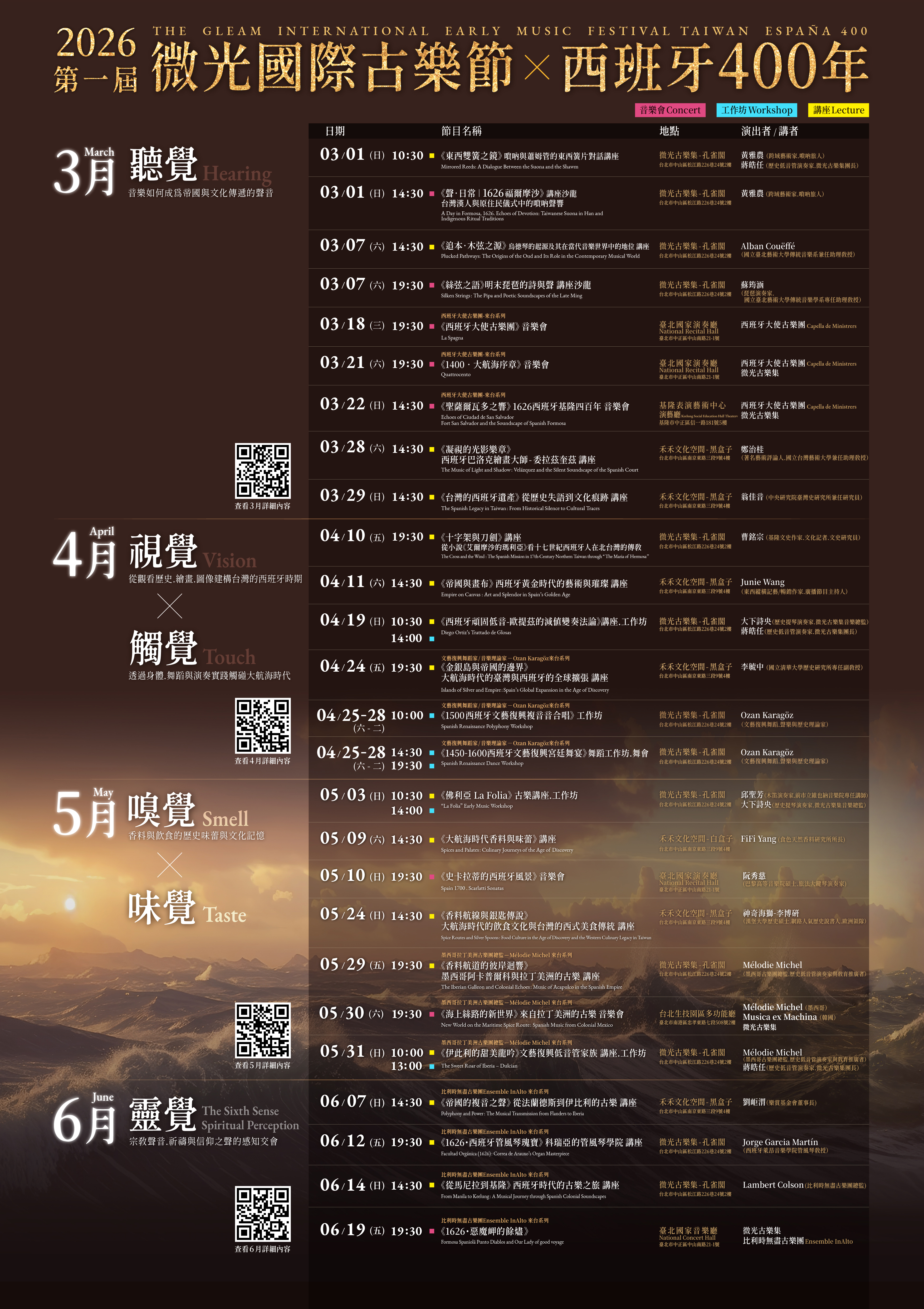
★ 西班牙時代的福爾摩沙,大航海時代「六感策展」系列— 聽·視·觸·嗅·味·靈覺
★ 三—六月每週末不間斷!於臺北連續30場古樂馬拉松盛會— 16場講座、6場工作坊、8場音樂會、1場舞會
★ 以台灣為座標,回望17世紀大航海時代的「世界人文策展」:西班牙/台灣/中南美洲/伊斯蘭古樂、當代音樂、歷史、考古、美食、香料、文學,繪畫
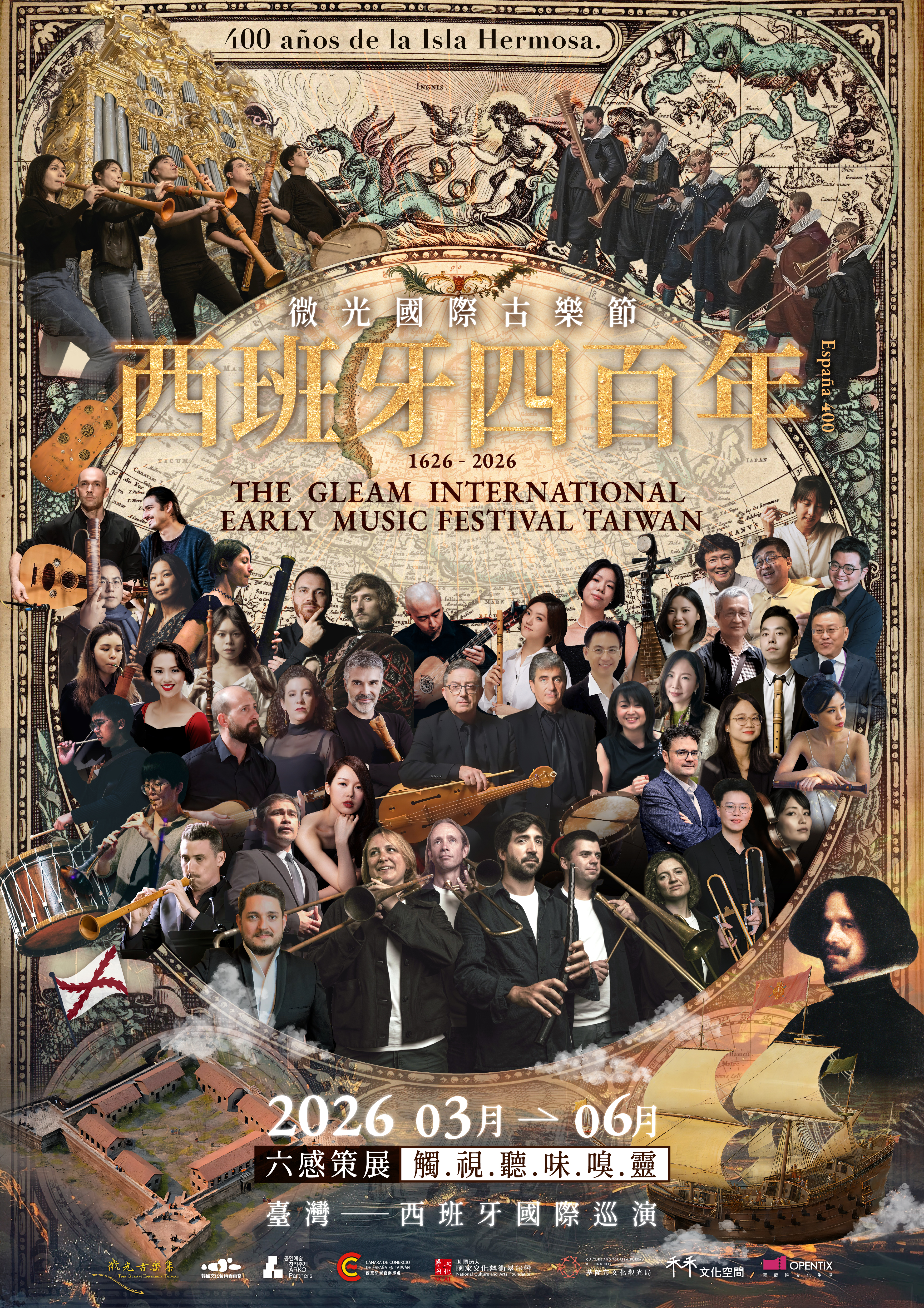
★ 13國歐美亞跨國音樂家共襄盛舉:臺灣/香港/日本/韓國/菲律賓/西班牙/比利時/法國/義大利/英國/土耳其/阿根廷/墨西哥
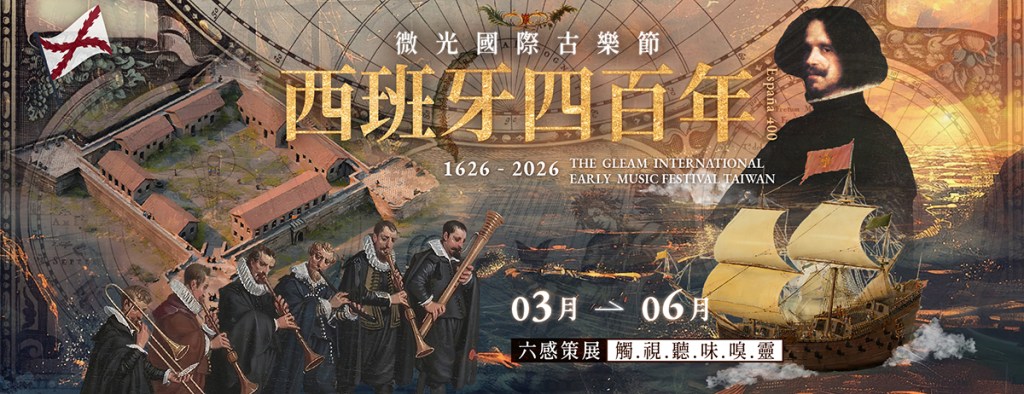
2026年,微光古樂集與西班牙商務辦事處攜手合作,首次舉辦有史以來最大型、「連續三個月」的—微光國際古樂節《西班牙400年》!
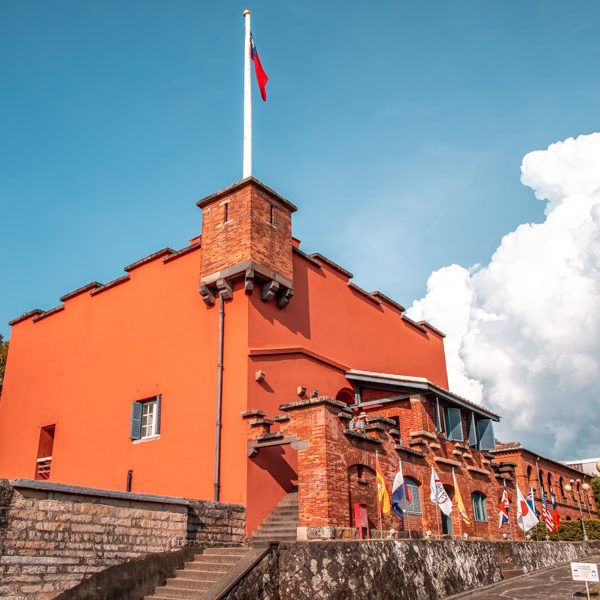
今年,為臺灣歷史上重要的節點— 四百年前的1626 年,西班牙帝國的艦隊航抵福爾摩沙的—雞籠(基隆),並在今日台灣北部「和平島」,今基隆造船廠底下,建立其於亞洲最東端的據點—聖薩爾瓦多城(聖救主城 “Fort San Salvador”)和諸聖教堂(Iglesia de Todos los Santos)。
從三月到六月,密集聚焦十七世紀大航海時代的西班牙與臺灣的古樂,並「以臺灣為座標」,重新探索大航海時代的西班牙帝國航路,回望這塊土地的歷史位置。
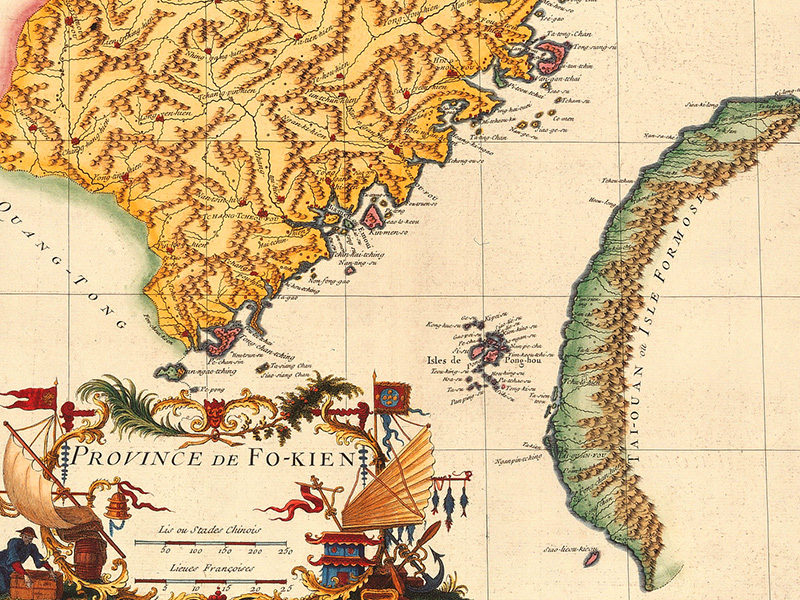
西班牙黃金時代 & 大航海時代的世界觀
本國際古樂節絕不以「慶祝西班牙殖民四百年」為宗旨,而是試圖重新理解一段曾真實發生於台灣、卻長期被淡化與失焦的歷史記憶。
歷史上,每一個時代皆存在某個世界強權;而這些強權往往同時成為文化與美學的集散中心,吸納並轉化各地所能抵達的最高藝術標準。十七世紀的西班牙,正處於其政治影響力與藝術創造力高度交疊的關鍵時期,既是帝國力量的高峰,也是其藝術的「黃金時代」。藉此能用一次性的機會,包山包海的徹底展現西班牙黃金年代所有精華。
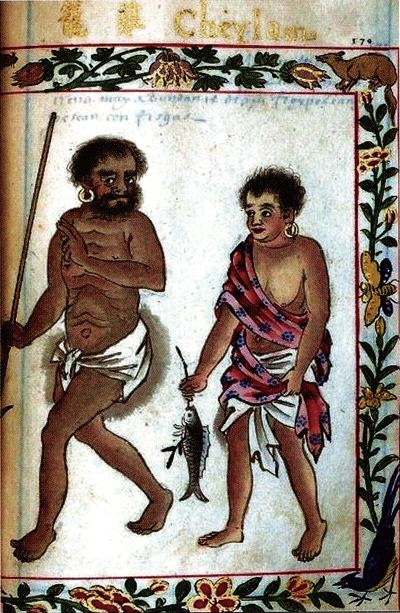
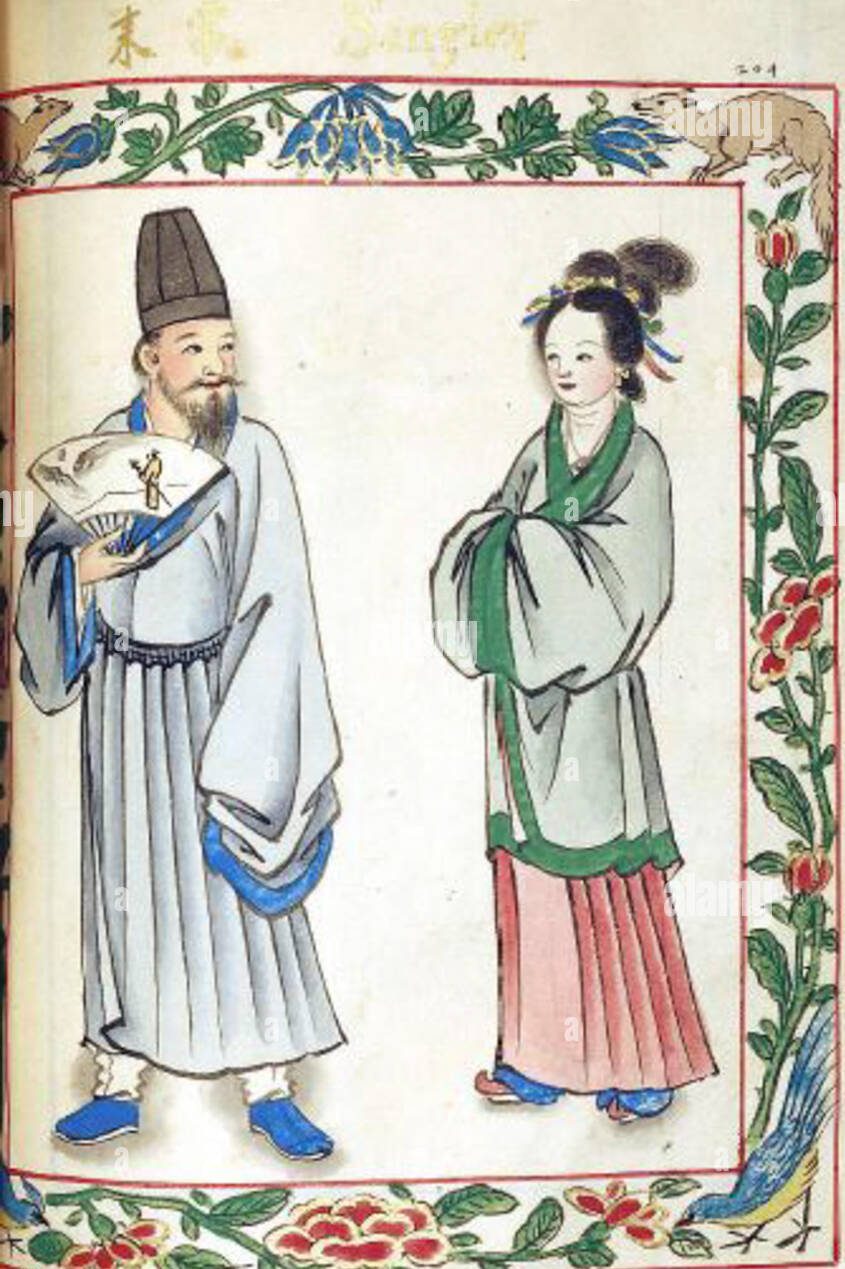
微光國際古樂節重要大型節目
國際古樂節將展開跨地域、跨文化的「世界聲音策展」,重新思考大航海時代全球音樂如何在不同文明之間被同時交融。從台灣—歐洲—阿拉伯國家—中南美洲的航線,建構一條世界音樂發展的路徑:
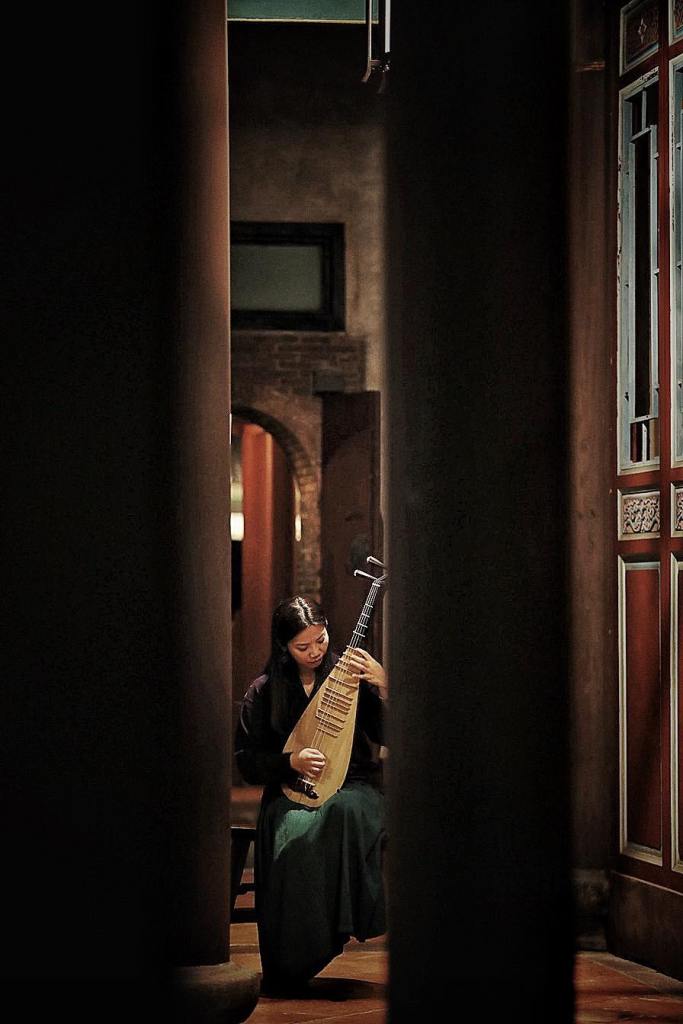
◉ 三月份嗩吶演奏家—黃雅農、琵琶演奏家—蘇筠涵、烏德琴家—Alban Couëffé,將以「古樂復興在亞洲」的精神,帶來台灣明末清初的傳統古樂,和影響西班牙和樂器是深遠的中東音樂。
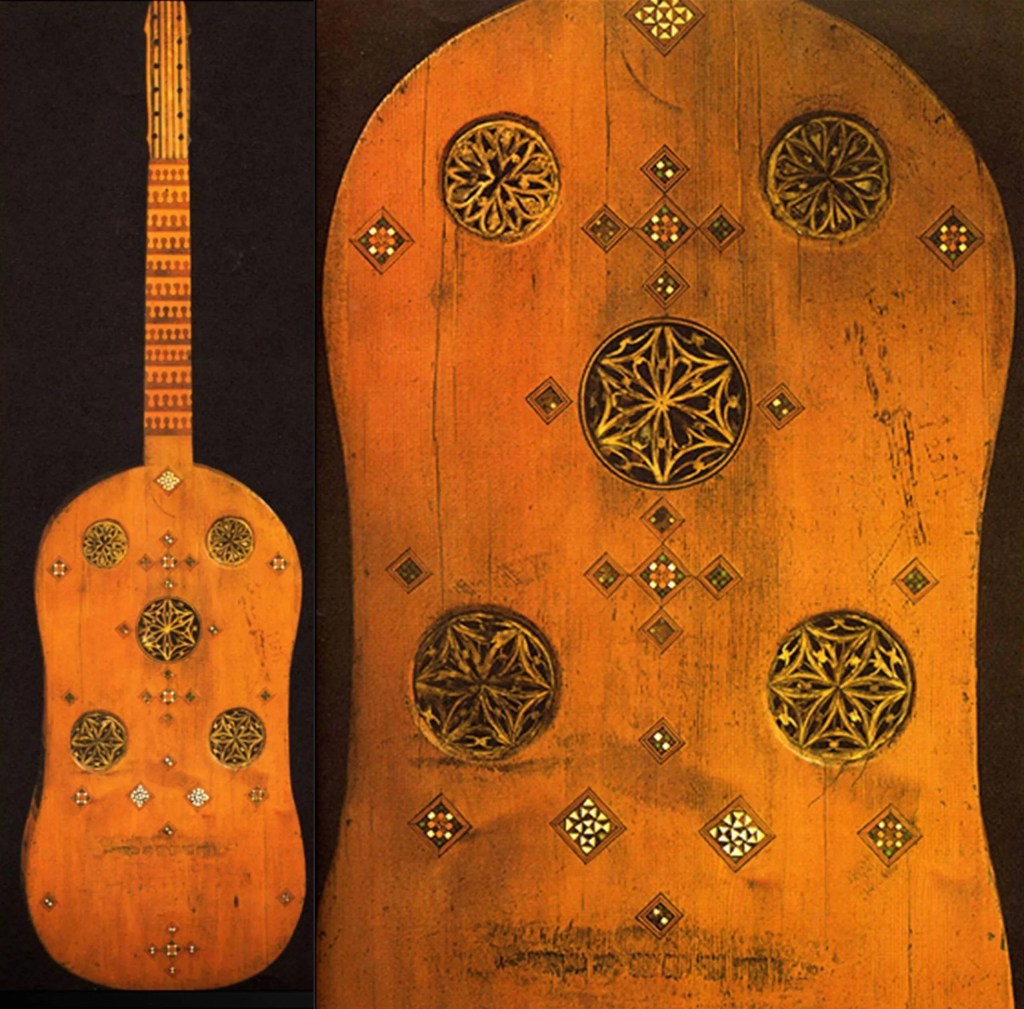
◉ 國際古樂節三月重點開幕,將特邀西班牙國寶級文藝復興古樂團—大使古樂團(Capella De Ministrers)於國家演奏廳和西班牙當時的登陸地—基隆演出,首次呈現提琴的祖先—比維拉琴(Vihuela)。
◉ 四月底將迎來文藝復興舞蹈家—Ozan Karagöz的《西班牙文藝復興複音合唱》和《西班牙文藝復興宮廷舞宴》四天滿滿的雙工作坊
◉ 五月初邀請旅法大鍵琴家—阮秀慈《1700·史卡拉第的西班牙風景》大鍵琴獨奏會、五月底微光將與墨西哥古樂團和韓國Musics ex Machina古樂團三團共演《中南美洲的西班牙古樂》
◉ 六月的閉幕將再次邀請比利時最重要的早期巴洛克團—無盡古樂團(Ensemble InAlto)以文藝復興木銅管樂團、聲樂家和大管風琴於國家音樂廳大廳震撼的演出!
古樂節講座 & 工作坊講者陣容
微光國際古樂節講座與古樂工作坊部分:
◉ 西班牙巴洛克藝術|特邀東西縱橫記藝/暢銷作家—Junie Wang、藝術史學者—鄭治桂主講
◉ 西班牙與台灣歷史和考古講座|邀請西班牙台灣史的權威學者—李毓中、台灣史專家/中研院的學者—翁佳音、
文史工作者—曹銘宗擔任主講
◉ 大航海時代美食講座與品香|邀請食色天然香料研究所、漢堡大學歷史碩士/網路人氣歷史說書人—神奇海獅主講
◉ 古樂實踐工作坊|邀請前維也納市立音樂院木笛專任講師—邱聖芳帶領《佛利亞》 頑固低音工作坊
微光音樂總監—大下詩央指導《歐提茲·西班牙減值變奏頑固低音》工作坊
微光團長—蔣皓任與墨西哥古樂團總監—Melodie Michel指導《文藝復興低音管家族》工作坊
◉ 西班牙文藝復興音樂史講座|特邀樂賞基金會董事長—劉岠渭、比利時與西班牙古樂專家/教授主講
首次以「六感」為主題的國際古樂節策展
「荷西時期」也是台灣上首次躍進世界地圖的時代,更是音樂史上的「文藝復興—巴洛克時代」的碰撞與橋接點。
微光古樂集以此為契機,透過獨特的「六感」策展主軸,從觸覺、聽覺、視覺、嗅覺、味覺及靈覺等層面,重新詮釋這段歷史。讓觀眾能跨越四百年時空,用六感深刻感受大航海歷史與我們的連結,
並隆重密集的推出西班牙哥倫布/麥哲倫時代—殖民時代—台灣西班牙時代,到史卡拉第時代、帝國由盛轉衰的十八世紀,綜貫1400-1700年間的古樂,為西班牙古樂在台灣最密集的馬拉松盛宴!
三月 · 聽覺
這將是台灣有史以來最密集的古樂活動系列,和西班牙古樂從1400—1700間文藝復興到巴洛克時代的濃縮精華。
本次古樂節首次將的「六感」體驗作為策展主軸之一,於三月展開大航海時代的「聽覺」系列,並不僅限於歐洲西班牙的古樂,更會首次涵蓋同時代來自明末清初的漢人古樂,與伊斯蘭國家的民族樂器,真正從一個「人文世界觀」的角度切入大航海與西班牙時代。 此月份將會帶領聽眾徹底了解「今日常見的樂器淵源自何處?」,為何嗩吶、雙簧管、魯特琴、烏德琴曾經源自一家?並在絲路、地中海與大洋的旅行中逐漸遠行分家。
本月將聚焦大航海與西班牙時代最重要的「東西方雙簧與撥弦樂器」,並以西班牙文藝復興的「文藝復興大聲管樂隊Alta Capella」為主軸,同時邀請嗩吶演奏家—黃雅農、歷史低音管家—蔣皓任透過講座與現場示範,探索西班牙時期台灣漢人嗩吶音樂遺產與東西方雙簧樂器的對話。
此外,為了預備三月底於國家兩廳院和基隆演藝廳大場演出中,維奧爾琴與提琴樂器的祖先—比維拉琴(Vihuela)首次來台現身, 特別安排由北藝大琵琶助理教授—蘇筠涵,和北藝大傳統音樂學系兼任助理教授—Alban Couëffé 舉行《明末清初的絲弦琵琶》 與 《烏德琴(Oud)》 專場, 彰顯絲路及海路音樂文化交流的歷史意義,並參考歐洲的古樂復興運動的進程和精神,如何在今天也復興亞洲本地的古樂。

三月「聽覺」系列主軸將特邀西班牙國寶級的古樂團—大使古樂團(Capella de Ministrers)合作,透過 《西班牙古調 La Spagna》 及 《1400大航海序章》 等在國家演奏廳重磅音樂會,生動再現大航海時代西班牙帝國的聲音景觀,展示歐洲文藝復興音樂如何從哥倫布時代,隨著帝國擴張傳播至全球,除台北外,並將會西班牙四百年前登錄的基隆演藝廳演出!為基隆市政府主辦的大型古樂盛宴。
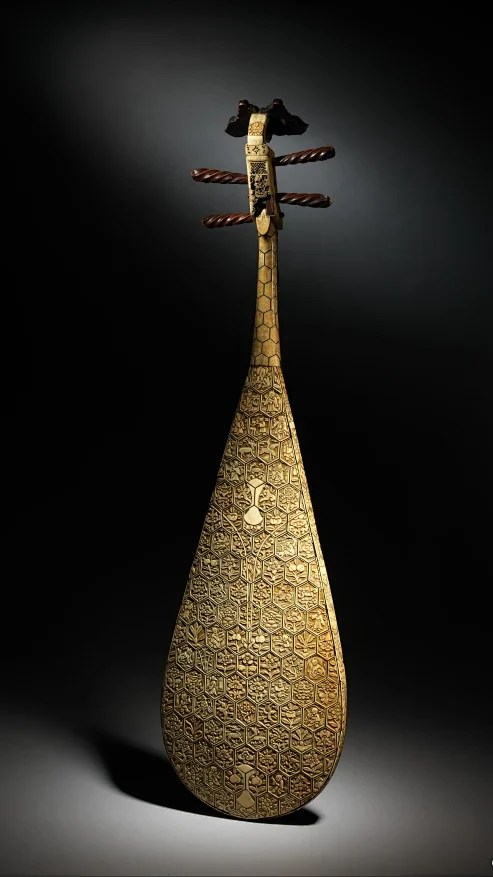
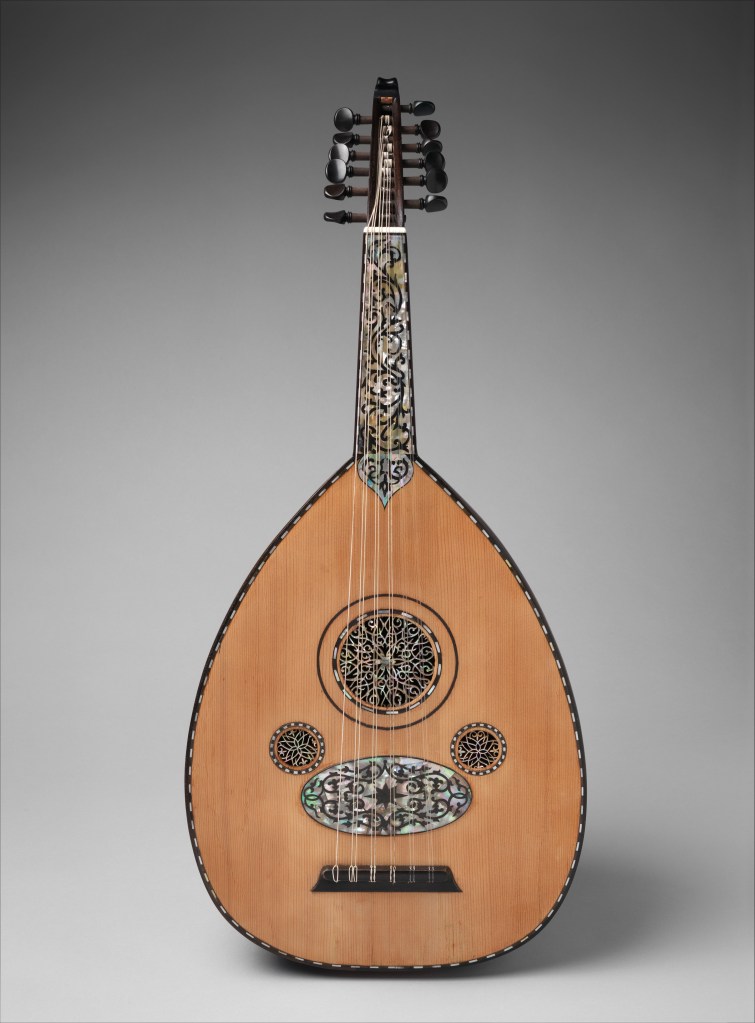
在聆聽之外,西班牙時代實質文獻考古的部分也不遑多讓,微光將邀請台灣研究西班牙時代的權威學者之一—清華大學歷史副教授—李毓中,和中研院兼任研究員—翁佳音、與著有文學小說 《艾爾摩莎的瑪利亞》 的基隆文史工作者—曹銘宗,帶來西班牙時代的台灣史、傳說和歷史故事,讓我們更認識在台灣這片土地下的歷史脈絡。
四月 · 視覺|觸覺
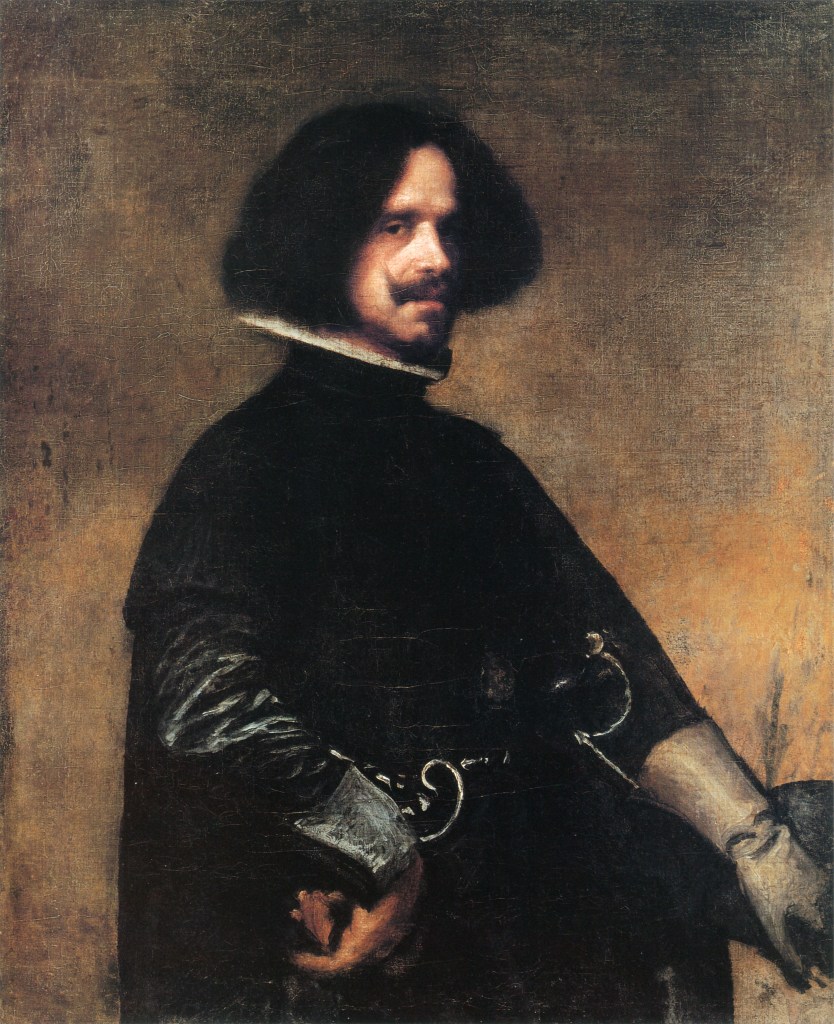
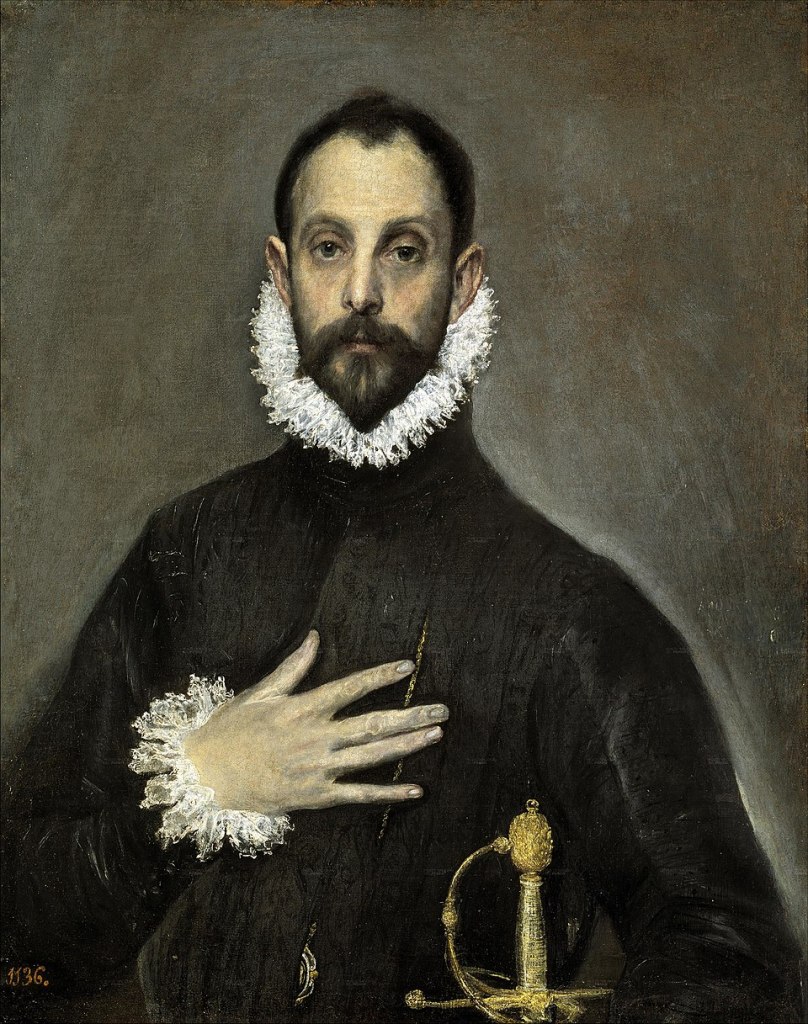
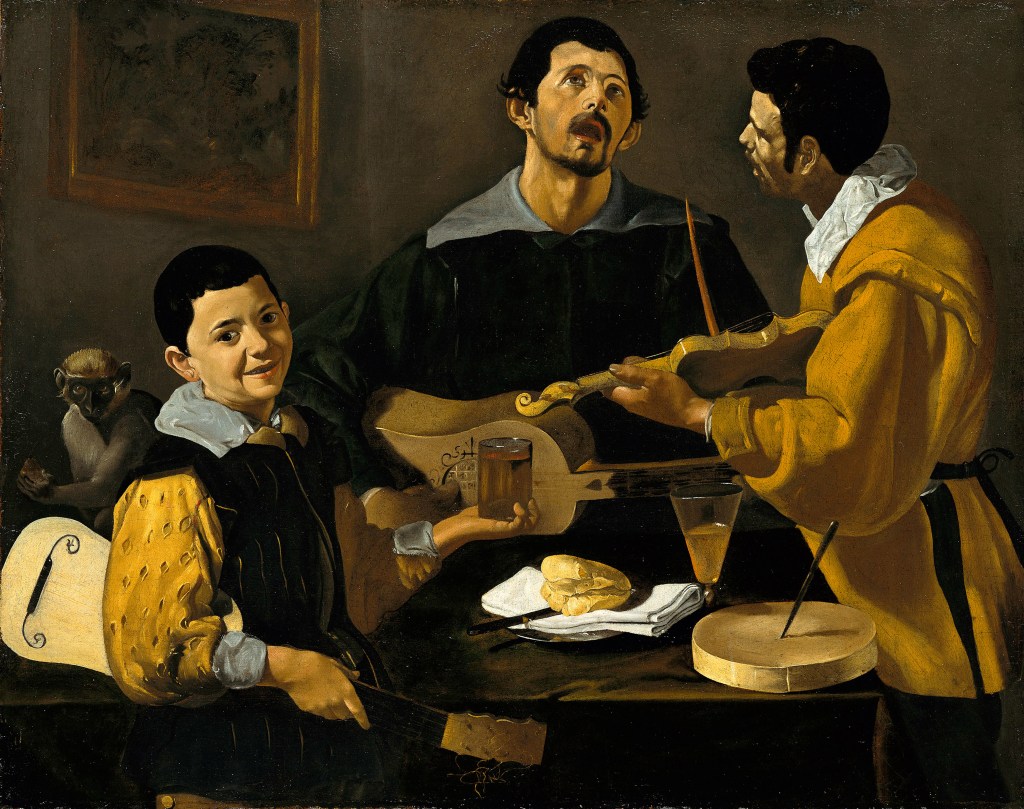
四月古樂節將迎來六感中的「視覺和觸覺」主軸,特邀東西縱橫記藝、暢銷書作家、著有《名畫真的超有戲》 、 《名畫真的很有事》 與 《美學風格相對論》 節目主持人—Junie Wang、還有臺藝大美術系兼任講師/藝術史學者—鄭治桂,以西班牙黃金時代繪畫與宮廷音樂場景等主題,特別介紹17世紀最重要的西班牙巴洛克繪畫大師—委拉茲奎茲(Diego Velázquez)與文藝復興畫家—格雷科( el greco)透過專業講座,探討視覺藝術如何反映西班牙帝國意識形態及文化傳播。
在四月底,古樂節將以"用身體來感受"的「觸覺」為主軸,特別邀請2023年 《文藝復興宮廷舞宴》 來台造成轟動的文藝復興舞蹈家—奧贊.卡拉格茲(Ozan Karagöz)帶來連續四天的 《西班牙文藝復興舞蹈工作坊》 和學習用文藝復興古譜/手抄譜來唱的 《西班牙複音音樂合唱工作坊》,並在最後一天舉行文藝復興舞會,真正展現西班牙和南義地中海宮廷的古樂韻律,真正用律動和儀態體驗古歐洲宮廷的社交與禮儀文化、還有大教堂裡震撼療癒的文藝復興合唱聲響。
同時在古樂理論實踐工作坊中,古樂集總監—大下詩央將會帶來羅馬的西班牙維奧爾琴家—歐提茲(Diego Ortiz)的 《西班牙頑固低音減值變奏工作坊》 並和曾任教於維也納市立音樂院木笛主修的台灣木笛獨奏家—邱聖芳共同帶來巴洛克古樂中最有名的頑固低音— 《La Folia佛利亞》 古樂工作坊,以「觸感」來實作古樂。

五月 · 嗅覺|味覺
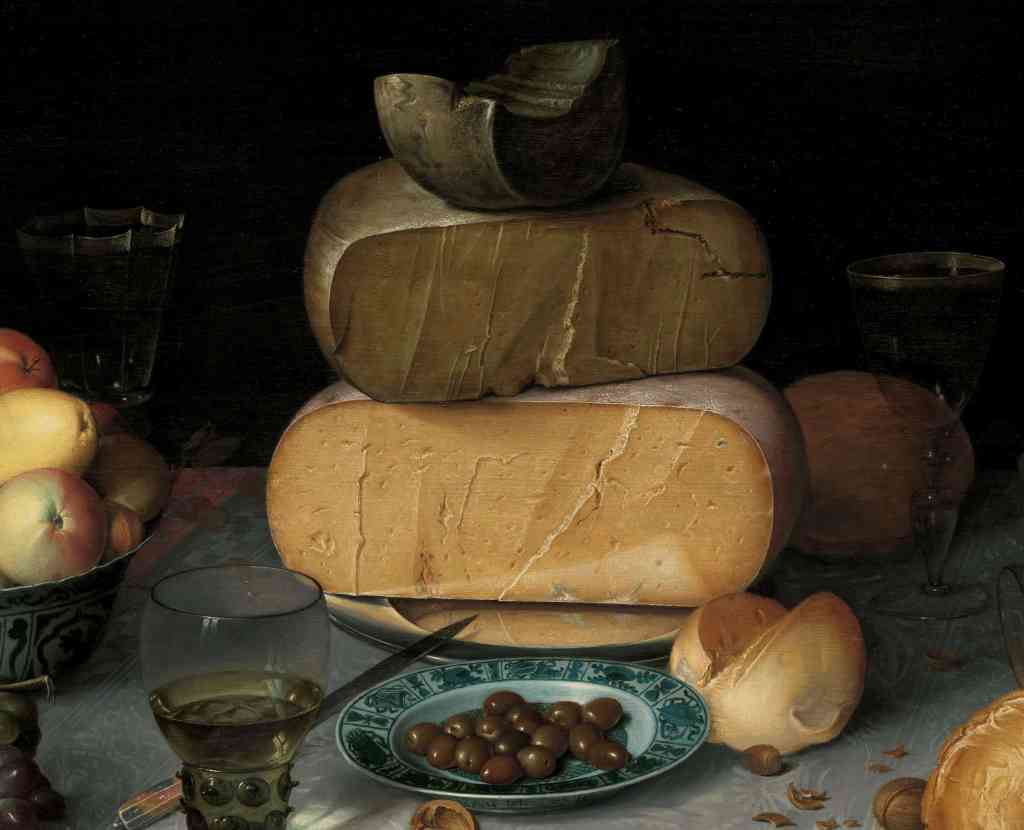
五月「嗅覺&味覺」主軸,古樂節將從「大航海與台灣西班牙時代的香料與飲食文化」切入,特邀食色天然香料研究所與神奇海獅兩位飲食和歷史專家,探索大航海時代的食材、香料與美食(包括:土豆、辣椒、番茄、玉米、高麗菜)如何影響今天台灣在地美食與西餐傳統,並將歷史上的食材演變化作味蕾的感官記憶。
月初的重點演出,將由旅法大鍵琴家—阮秀慈於國家演奏廳帶來 《1700.史卡拉第的大鍵琴風景》的大鍵琴獨奏會,聆聽西班牙帝國餘暉中,大鍵琴技藝的巔峰獨奏之作。
五月底的「味覺」主題演出,將循著土豆、辣椒、玉米與番茄這些西班牙人帶來的大航海食材的歷史航線,回到它們的原產地—西班牙殖民的中南美洲與加勒比海地區。16 至 17 世紀,隨著西班牙殖民體系的擴展,這片區域逐漸成為食物、節奏與聲音高度交會的場所,歐洲音樂語彙在此與原住民傳統與非洲節奏相遇,形塑出強烈的舞蹈感、身體律動與節奏推進,夏康(Ciaccona)、薩拉邦 (Sarabande)等舞曲形式也在這樣交織的文化環境中逐步成形,並沿著航線回到歐洲,成為日後巴洛克音樂的重要基礎。
這條源自中南美洲與加勒比海的聲音脈絡,持續滲入後世的音樂語言,從迪士尼動畫小美人魚 的〈Under the Sea〉,到 伯恩斯坦在 《西城故事》 中的 〈America〉,再到皮克斯動畫 《可可夜總會》 所描繪的音樂與節奏感,這些熟悉的旋律與律動,都能追溯至同一條跨越大西洋的文化航線。
音樂會將會在台北生技園區多功能演藝廳,古樂節將特邀墨西哥古樂團/文藝復興低音管家—Melodie Michel與韓國 Musica ex Machina古樂團三團共演,帶來拉丁美洲-墨西哥、玻利維亞的西班牙/原住民/黑人的歡快古樂,見證南美中音樂如何淺移默化受西班牙的影響:演出涵蓋文藝復興和巴洛克音樂在中南美洲發展的歷史講座,和一日的 《文藝復興低音管工作坊》 。
並預示六月「靈覺」主題,從墨西哥—阿卡普科(Acapulco)的西班牙大帆船,如何冒著大海的危險載著木製的聖母像,航向馬尼拉、再航向北台灣的基隆。
六月 · 靈覺
六月將來到(第六感)最後「靈覺」的主題,以大航海時代的宗教音樂與信仰聲響為核心。
1626 年 3 月,帆船商船「海軍上將號El Almirante 」從當時西班牙的殖民地-墨西哥阿卡普爾科(Acapulco)出發前往馬尼拉,船上載有新任西班牙東印度總督—塔波拉 (Juan Niño de Tabora),船上還有一尊被稱為「安蒂波洛聖母」的天主教聖母瑪莉亞木像 (Virgin of Antipolo)。
在大航海時代穿越大洋為期三個月的惡海航行中,多數船支遭遇了風暴和火災,人們認為這座聖母木像保護了這艘船,所以她抵達後就被授予「和平與航程順利的聖母 our lady of peace and good voyage」的稱號,成為橫渡太平洋的大帆船的守護神,如同漢人傳統信樣的海神—媽祖一樣。
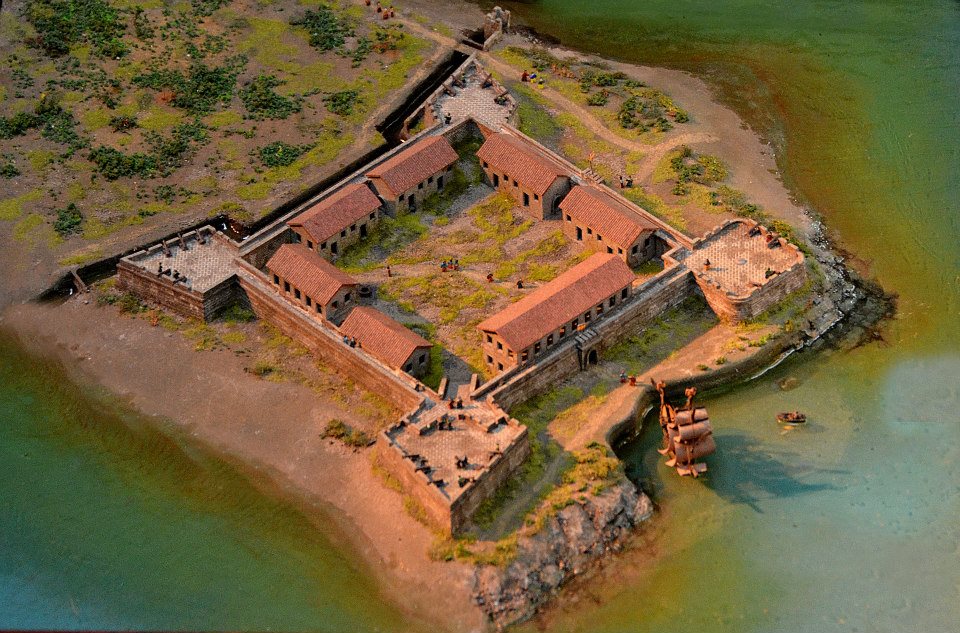
西班牙總督—塔波拉本人相信自己的好運是來於聖母的庇佑,於1626 年晚些時候派遣—伐爾德斯船長(Antonio Carreño de Valde) 前往菲律賓北方的島嶼-福爾摩莎,並落腳於北台灣的雞籠,在和平島上建造大型堡壘與四座圓形稜堡的「聖救主城」又名為聖薩爾瓦多城(Fort San Salvador),並且在要塞附近建造台灣歷史上第一座天主教堂—諸聖教堂(Todos los Santos),而兩年後又在淡水興建了聖多明哥城 (Fort Santo Domingo)也是今天的紅毛城,這些西班牙大航海時代東亞的重要堡壘與據點,並建立了近二十年的政治和宗教存在。
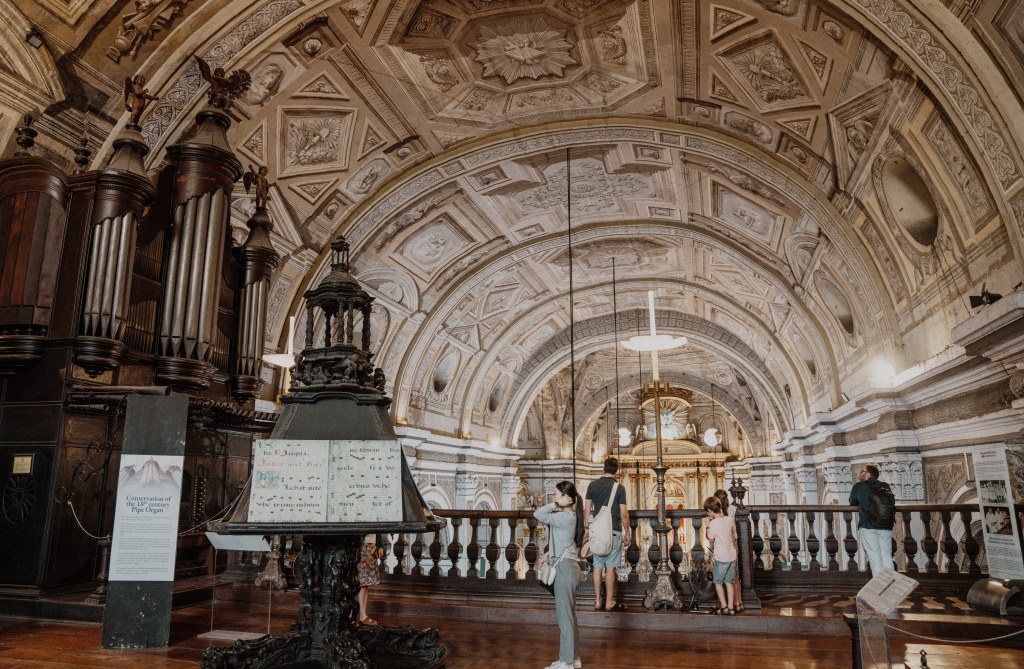
而當時可能存在於諸聖教堂的音樂,距離最近的歷史證據和可能性來自於菲律賓馬尼拉西班牙王城區修道院裡的手抄本,裡頭館藏著西班牙與法蘭德斯高度發展的複音音樂彌撒曲。
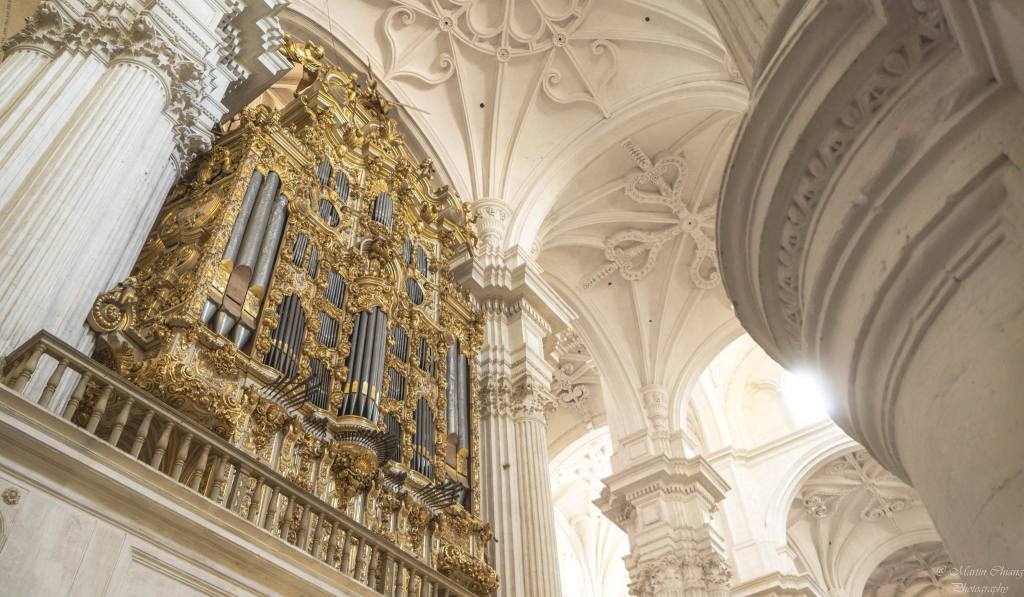
本月節目,將首邀請樂賞基金會董事長—劉岠渭介紹這段由法蘭德斯至伊比利半島的文藝復興音樂傳承路徑,
同時特邀西班牙重要歷史管風琴家/萊昂國立音樂院管風琴教授—Jorge Garcia 首度在台灣國家音樂廳演奏全台唯一的法蘭德斯風格巴洛克大型管風琴,演奏科瑞亞·德·阿羅索的正好於1626年出版的伊比利鍵盤大作—《管風琴學院Facultad Orgánica》,呈現台灣首次具歷史考據意義的管風琴音樂會。
此外,也將與比利時無盡古樂團(InAlto)以文藝復興角號、古長號、古低音管、蕭姆管、大管風琴和歐洲/菲律賓/香港的聲樂家,跨國合作最大型的閉幕音樂會 《惡魔岬的餘燼》,音樂會也將邀請台灣當代作曲家—趙菁文以嚴謹的手法使用文藝復興古樂器創作一首新的當代作品,音樂考究自馬尼拉西班牙教區館藏的文藝復興手抄本樂譜,包括德普列(Josquin Desprez)等多位法蘭德斯文藝復興作曲大師的大型彌撒曲,為台灣在國家音樂廳首次大型的文藝復興盛宴!
《1626 惡魔岬的餘燼》 閉幕壓軸音樂會將重新演繹西班牙堡壘—聖薩爾瓦多城毀滅後的記憶,與信仰的連結。
本古樂節在於彰顯台灣在國際古樂領域的主體性與專業深度,透過這次音樂節,微光古樂集期望建立一個獨特且具國際高度的國際古樂節策展典範,不僅讓歷史復活於感官之中,更將台灣的歷史位置與文化主體帶入全球古樂地圖,展現前所未有的文化自信與專業視野。
The Gleam International Early Music Festival: Spain 400 (1626-2026)
In 2026, Taiwan will host an unprecedented and historically significant international early music event:
The Gleam International Early Music Festival: Spain 400
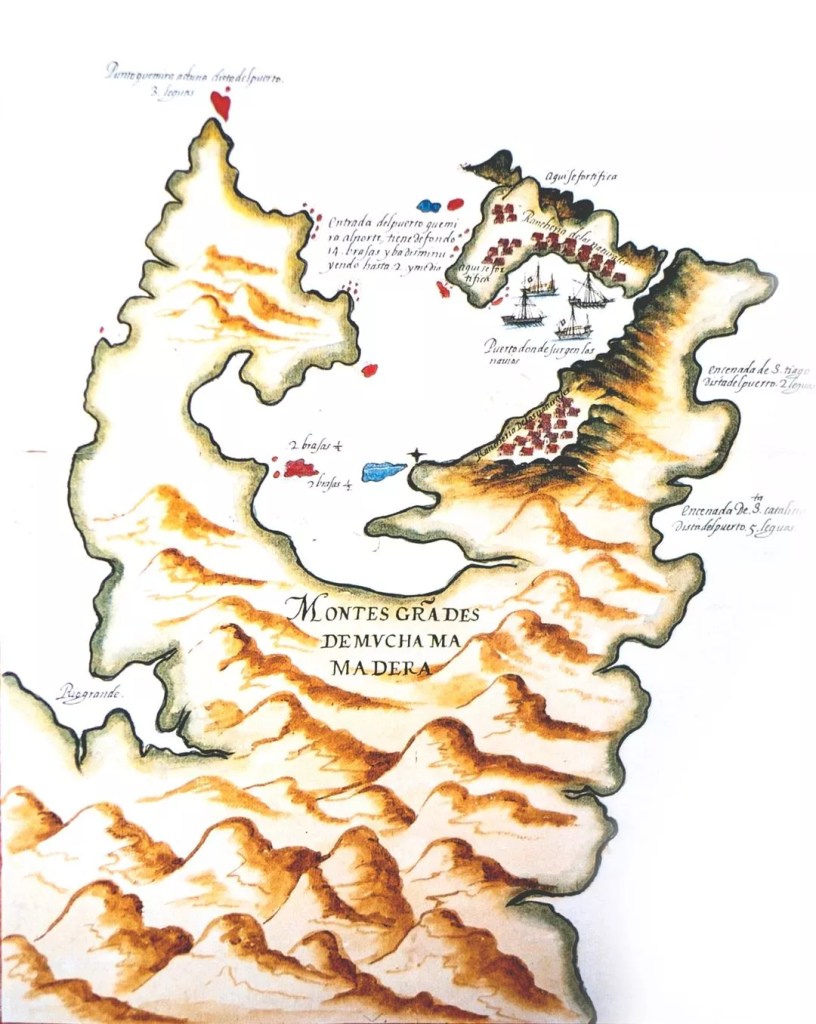
The festival commemorates the year 1626, when the Spanish Empire landed on Formosa (present-day Taiwan) and established Fort San Salvador on Heping Island in Keelung, followed by Fort Santo Domingo in Tamsui (today’s Fort San Domingo). These sites marked Spain’s easternmost colonial outposts in Asia—chapters of global history that have long remained overlooked.
Taking this moment as its point of departure, The Gleam Ensemble presents a large-scale, interdisciplinary festival built around a unique “Six Senses” curatorial framework—touch, hearing, sight, smell, taste, and spiritual perception. Through these sensory dimensions, the festival reinterprets and reanimates early modern history, allowing contemporary audiences to traverse four centuries and to experience how the Age of Exploration continues to resonate within the modern world.
At the same time, the festival offers one of the most concentrated presentations ever staged in Taiwan of Spanish Renaissance and Baroque music (c. 1400–1700).
Beyond Colonial Narratives: A Global Curatorial Vision
Rather than treating colonial history as a single or dominant narrative, the festival approaches Spanish music as a global cultural node, one that connected Europe, the Mediterranean, the Middle East, East Asia, and the maritime world. Through this lens, The Gleam Ensemble proposes a transregional and cross-cultural soundscape, rethinking how 17th-century music was simultaneously practiced, transformed, and understood across different civilizations.
Within this framework, the curatorial vision also turns toward 17th-century Han Chinese settlements in Taiwan and the musical cultures of the late Ming and early Qing periods. Through a dialogue between the oud and the silk-string pipa, the festival traces a global pathway of musical development, allowing diverse cultures to encounter one another within the same historical moment, coexisting and resonating, rather than replacing one another.
Spain as a Musical Crossroads
Situated at the intersection of Europe, the Mediterranean, Africa, and the great oceanic trade routes, Spain played a pivotal role in the development of musical languages and instruments that profoundly shaped European, and ultimately global music history.
From medieval and Renaissance dance rhythms, harmonic vocabularies, and instrumental techniques, these musical elements circulated through courts, churches, and maritime networks, deeply influencing the formation of European art music. Even in the age of J.S. Bach, and extending into Latin American traditions, rock, and popular music today, the rhythmic vitality, harmonic tension, and physicality of Spanish early music continue to surface in transformed yet recognizable forms—an undercurrent flowing across centuries.
This festival will be the most intensive early music series ever presented in Taiwan, and a concentrated panorama of Spanish early music at its finest.
Festival Structure: The Six Senses
March – Hearing

The festival opens with the “Hearing” series, focusing on one of the most emblematic soundscapes of the Spanish Renaissance: the Alta Capella, the powerful wind ensembles of shawms and sackbuts that shaped public, ceremonial, and sacred soundscapes.
Alongside this, Taiwanese suona virtuoso Huang Ya-Nung will be invited for lectures and live demonstrations, exploring the musical heritage of suona practices in Han Chinese communities during the Spanish period, and examining the dialogue between Eastern and Western double-reed traditions.
A centerpiece of the series is the collaboration with Spain’s nationally revered early music ensemble Capella de Ministrers, presenting major concerts such as La Spagna: Ancient Iberian Grounds and 1400 – The Prologue of the Age of Exploration at the National Concert Hall in Taipei. These performances vividly reconstruct the sonic landscapes of the Age of Exploration, demonstrating how Renaissance music traveled globally from the era of Columbus onward.
In addition to Taipei, Capella de Ministrers will also perform in Keelung, returning Spanish early music to the very site where it first arrived in Taiwan four centuries ago.
To prepare for these performances, the festival will introduce the vihuela—the plucked ancestor of the viol and guitar, to Taiwan for the first time. A special concert-dialogue will be presented by Su Yun-Han, Assistant Professor of Pipa at Taipei National University of the Arts, and Alban Couëffé, Adjunct Assistant Professor in the Department of Traditional Music, featuring a focused exploration of late Ming–early Qing silk-string pipa and the oud. This program highlights both land-based and maritime Silk Road exchanges, while reflecting on how Europe’s early music revival can inform approaches to reconstructing Asian early music traditions.
Historical Research & Archaeology
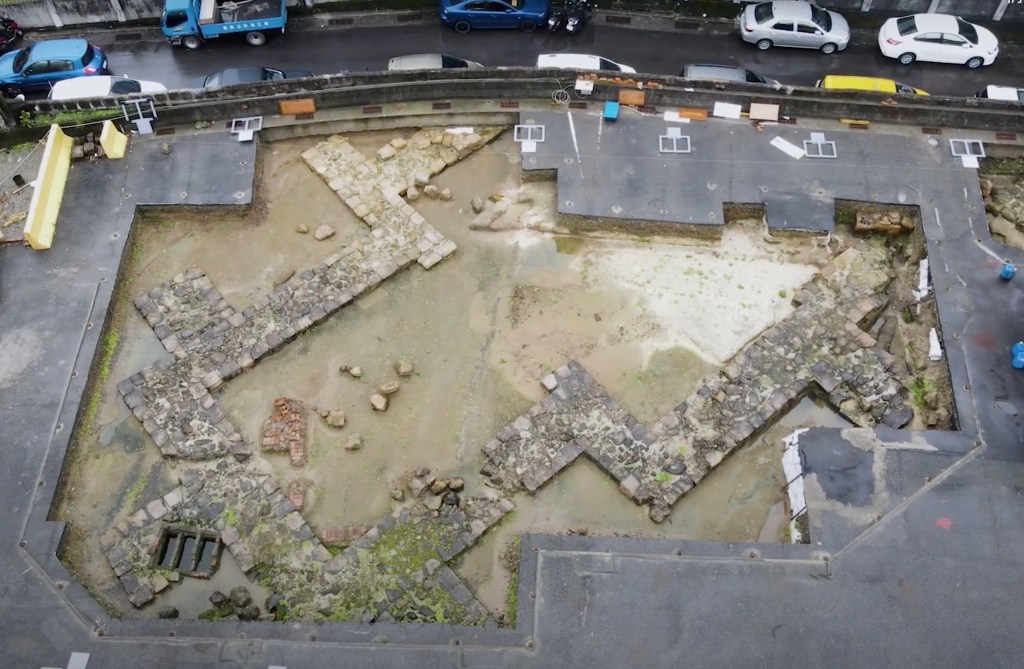
Beyond performance, the festival places strong emphasis on historical documentation and archaeology. Invited speakers include Dr. Lee Yu-Chung (Associate Professor of History, National Tsing Hua University), Dr. Weng Chia-Yin(Academia Sinica), and Keelung historian Tsao Ming-Tsung, author of Maria of Hermosa. Through lectures and storytelling, they will illuminate the Spanish period in Taiwan, its legends, archival traces, and buried histories beneath contemporary landscapes.
April – Sight & Touch

April centers on “Sight and Touch”, featuring cultural writer and media host Junie Wang, and art historian Cheng Chih-Kuei, who will examine Spanish Golden Age painting and courtly musical imagery. Through lectures on artists such as Diego Velázquez and El Greco, these sessions explore how visual art reflected imperial ideology, ceremony, and cultural transmission.
Later in April, Turkish Renaissance dance specialist Ozan Karagöz, whose 2023 Renaissance Court Ball caused a sensation in Taiwan, will return to lead multi-day Spanish Renaissance dance workshops, polyphonic choral workshops, and a culminating Renaissance ball.
Parallel to this, violinist Shio Ohshita will lead workshops on Diego Ortiz’s basso ostinato and diminution techniques, alongside recorder virtuoso Chiu Sheng-Fang in a La Folia workshop—approaching early music through tactile, embodied practice.
May – Smell & Taste
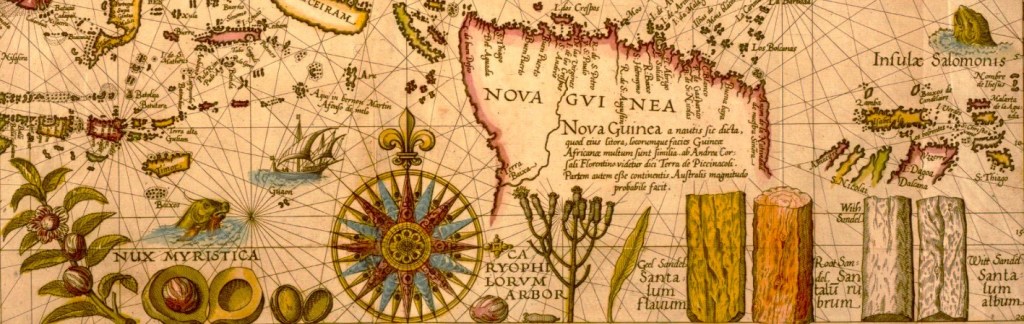
May’s “Smell & Taste” theme explores the Age of Exploration through spices, food, and culinary memory. In collaboration with the Institute of Natural Spices and historian “The Amazing Sea Lion”, lectures will trace how global trade routes shaped ingredients, cuisines, and modern Western food traditions in Taiwan—transforming historical materials into sensory experience.
Early May features a major harpsichord recital at the National Concert Hall by France-based Taiwanese harpsichordist Ryan Hsiu-Tzu, presenting Scarlatti 1700, a program devoted to the summit of Iberian keyboard virtuosity.
At the end of May, a landmark performance will take place at the Taipei Nangang Biotechnology Park, bringing together Melodie Michel (Mexico), Musica ex Machina (Korea), and The Gleam Ensemble. This concert presents vibrant early music from colonial Mexico, Bolivia, and Latin America, revealing how Spanish music intertwined with Indigenous and African traditions. The program is accompanied by lectures on Latin American early music and a one-day Renaissance Dulcian Workshop, leading into June’s spiritual theme.
June – Spiritual Perception (The Sixth Sense)
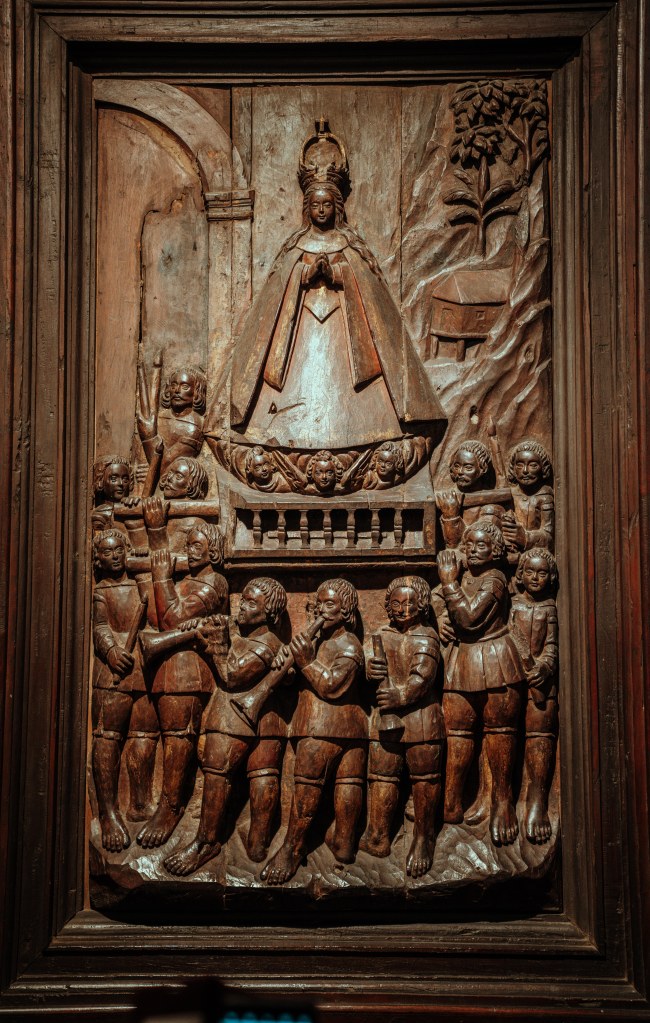
The festival culminates in June with the theme of “Spiritual Perception”, focusing on sacred music and devotional soundscapes.
Spanish organist and professor at the Conservatory of León, Jorge García, will make his Taiwan debut at the National Concert Hall, performing on Taiwan’s only large Flemish-style Baroque organ. The program centers on Francisco Correa de Arauxo’s Facultad Orgánica, published in 1626, offering Taiwan its first historically grounded organ concert of this scale.
The closing concert, Embers of Devil’s Cape, is a large-scale international collaboration with Belgian ensemble InAlto, featuring cornetts, sackbuts, dulcians, shawms, organ, and vocalists from Europe, the Philippines, and Hong Kong. The program draws on Renaissance manuscripts from Spanish ecclesiastical archives in Manila, including works by Josquin Desprez and other Flemish masters. Taiwanese composer Chao Ching-Wen has been commissioned to write a new work for period instruments, connecting the Virgin Mary and Mazu as maritime protectors. This concert reimagines the destruction of Fort San Salvador and the spiritual memory that followed.
Conclusion
The Gleam International Early Music Festival: Spain 400 asserts Taiwan’s artistic agency and professional depth within the global early music landscape. Through this festival, The Gleam Ensemble aims to establish a distinctive, internationally resonant curatorial model, one in which history is not merely revived, but reactivated through the senses, and Taiwan’s cultural position is firmly inscribed within the global map of early music.

2026 微光國際古樂節
西班牙.四百年節目總覽
The Gleam International Early Music Festival 2026
Spain 400: Complete Program Overview
點擊六感主題連結即可進入購票頁面
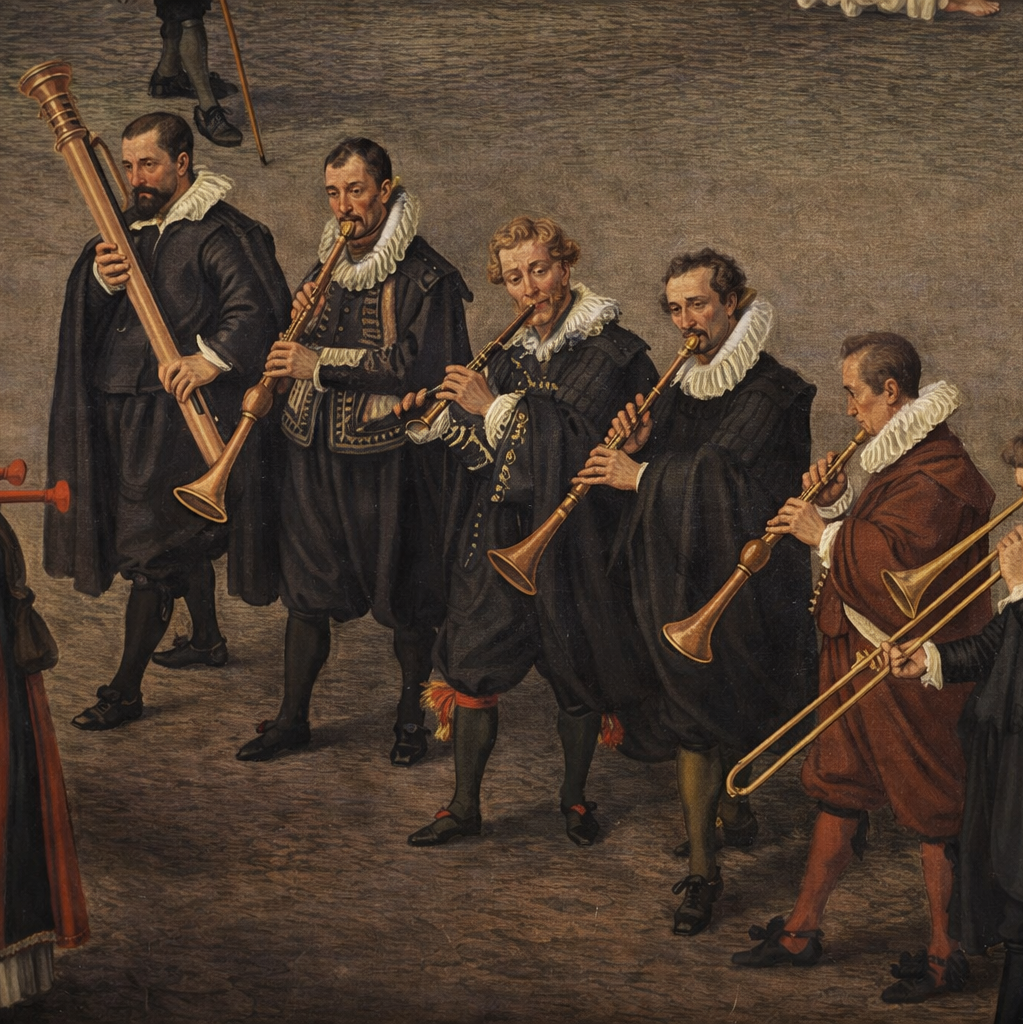
音樂如何成為帝國與文化傳遞的聲音
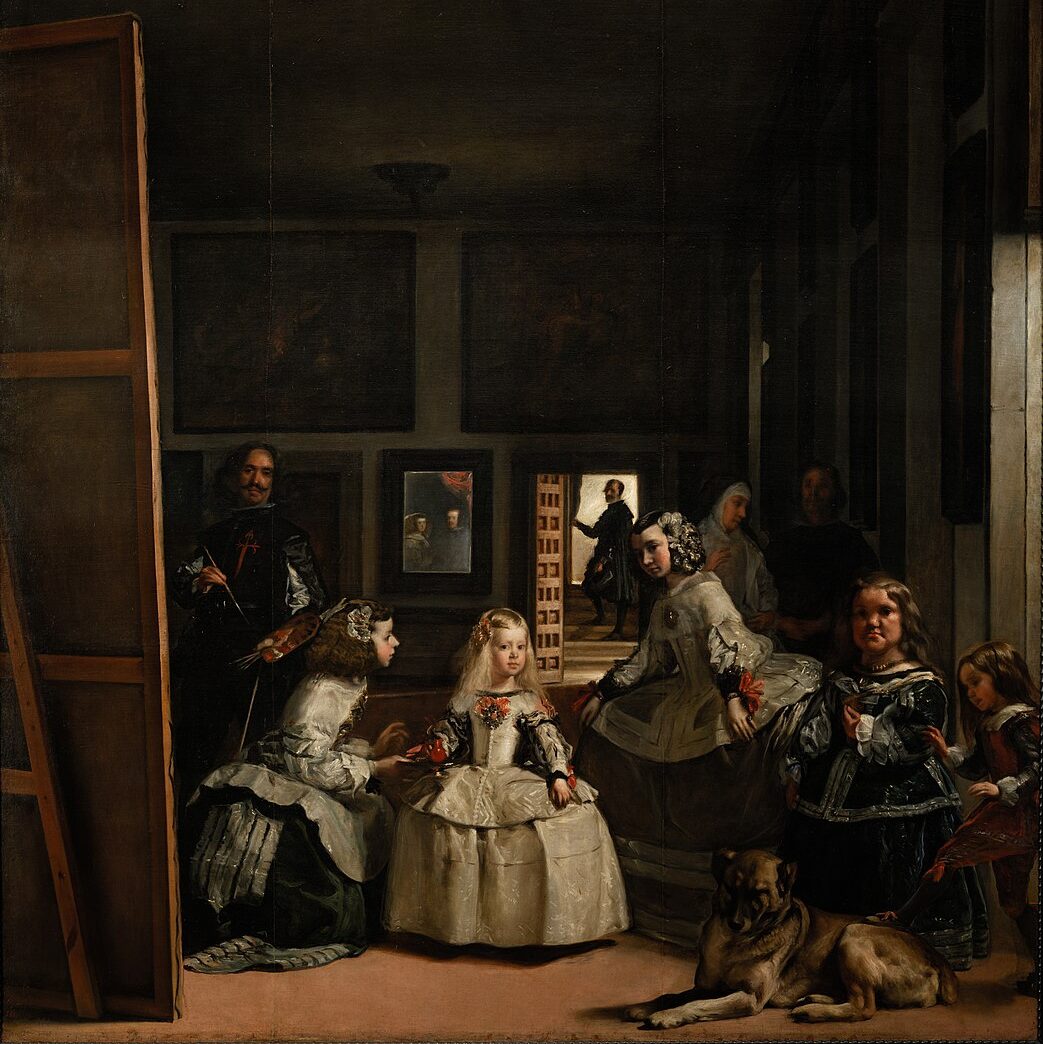
從觀看歷史、繪畫、圖像建構台灣的西班牙時代
透過身體、舞蹈與演奏實踐「觸碰」大航海
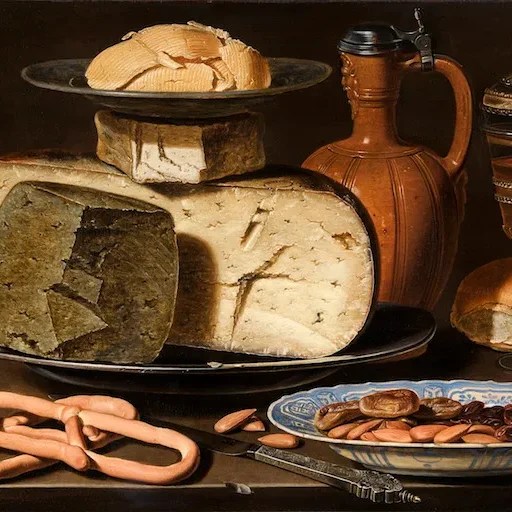
透過身體、舞蹈與演奏實踐「觸碰」大航海時代
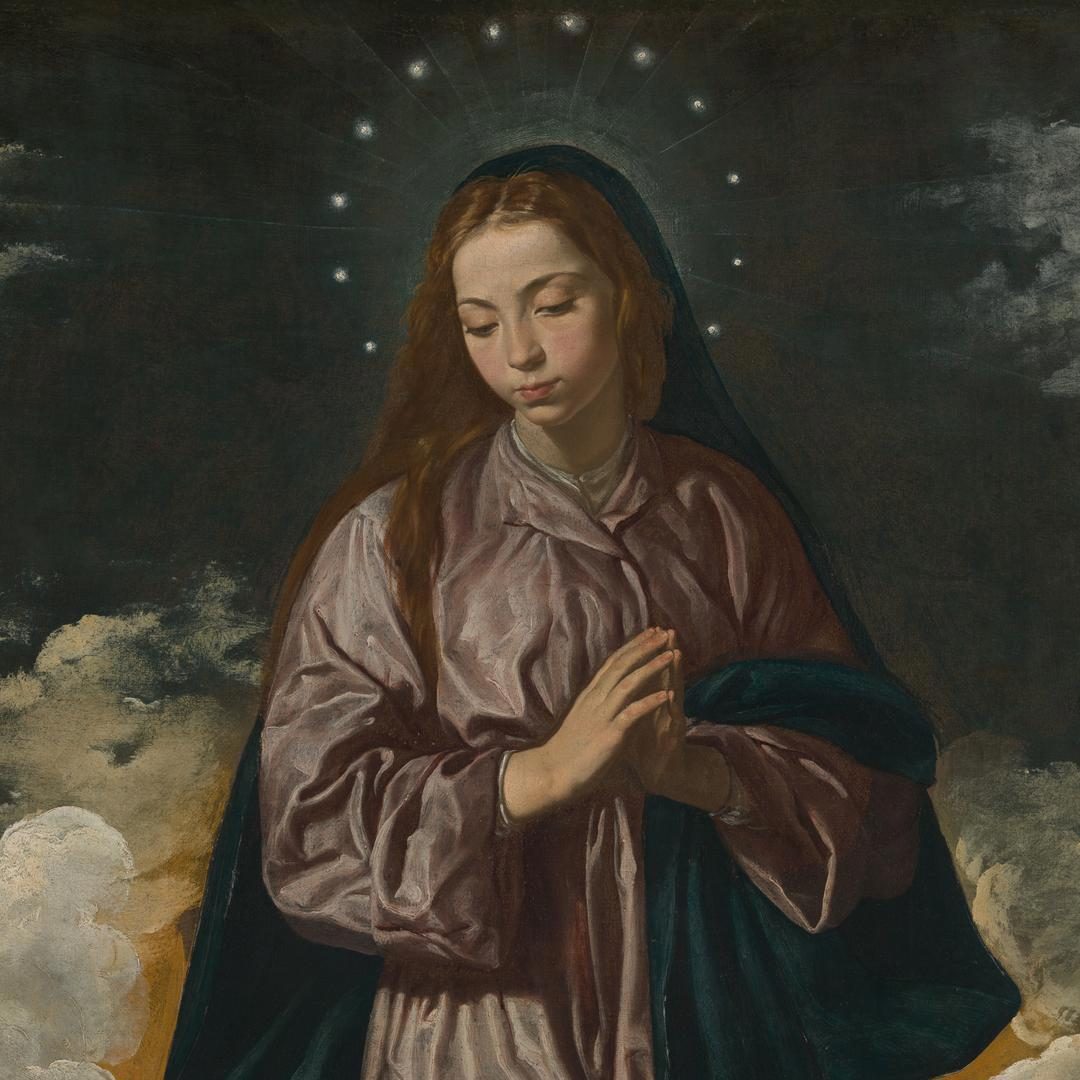
宗教聲音、祈禱與信仰之聲的感知交會
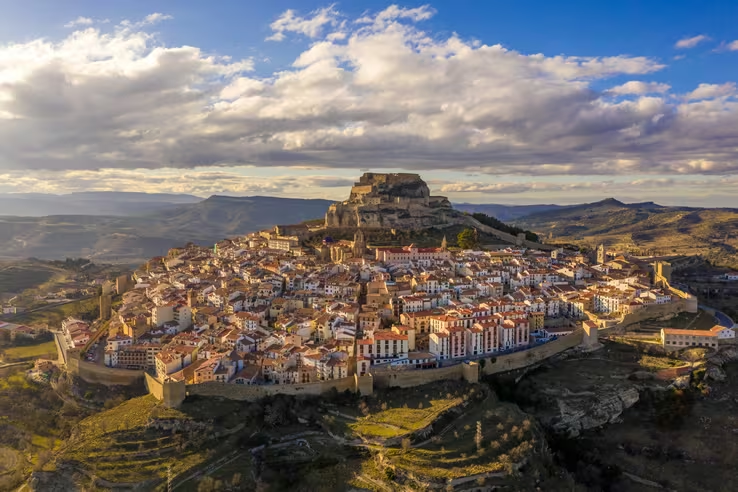
Morella Early Music Festival 2026 &estival Internacional de Música Antigua y Barroca de Peñíscola
 微光古樂集
微光古樂集 
你必須登入才能發表留言。